개요
transaction은 여러 database operations를 사용자의 관점에서 하나의 logical unit of work처럼 보이게 하는 실행 단위다. 은행 계좌 이체를 예로 들면, 고객에게는 “checking account에서 savings account로 돈을 옮긴다”는 한 동작이지만 DBMS 내부에서는 여러 read, write, arithmetic operation이 순서대로 실행된다. 일부만 실행되고 실패하면 돈이 사라지거나 새로 생긴 것처럼 보일 수 있으므로, DBMS는 transaction이 실패와 동시 실행 속에서도 올바르게 보이도록 보장해야 한다.
이 장은 transaction processing의 기본 개념을 잡는 장이다. Concurrent transaction execution의 구체적 제어는 Chapter 18 Concurrency Control, failure 이후 복구는 Chapter 19 Recovery System으로 이어진다. 따라서 Chapter 17의 핵심은 ACID properties, schedule, serializability, recoverability, isolation levels, SQL transaction semantics의 기초를 정확히 세우는 것이다.
핵심 개념
ACID properties는atomicity,consistency,isolation,durability를 묶은 transaction의 기본 보장이다.atomicity는 transaction의 효과가 전부 반영되거나 전혀 반영되지 않아야 한다는 all-or-none 성질이다.consistency는 transaction이 혼자 실행될 때 consistent database를 다시 consistent database로 바꾸어야 한다는 요구다. DBMS integrity constraints가 돕지만, application-dependent consistency는 transaction programmer 책임이다.isolation은 여러 transactions가 concurrently 실행되어도 각 transaction에게는 다른 transaction이 전후로 serial하게 실행된 것처럼 보여야 한다는 성질이다.durability는 committed transaction의 updates가 system failure 이후에도 사라지지 않아야 한다는 성질이다.recovery system은 atomicity와 durability를 담당하고,concurrency-control system은 isolation을 담당한다.serializability는 concurrent schedule이 어떤 serial schedule과 equivalent하면 허용 가능하다는 기준이다.
세부 정리
17.1 Transaction Concept
transaction은 data items를 access하고 필요하면 update하는 program execution unit이다. 보통 user program이 SQL이나 Java/C++ 같은 언어, 또는 JDBC, ODBC를 통해 database access를 수행하면서 transaction을 시작한다. Conceptually transaction은 begin transaction과 end transaction 사이의 모든 operations로 구성된다.
Transaction이 필요한 이유는 database가 “실세계의 일관된 상태”를 표현해야 하기 때문이다. 계좌 이체 중 checking account에서는 돈을 빼고 savings account에는 아직 더하지 않은 순간은 내부적으로는 있을 수 있다. 하지만 그 상태가 다른 transaction에게 보이거나 failure 후 database에 남으면 안 된다.
ACID를 이 장의 맥락에 맞게 다시 쓰면 다음과 같다.
| 성질 | 핵심 의미 | 담당/주의 |
|---|---|---|
Atomicity | transaction의 모든 operations가 database에 반영되거나 none | failure 시 partial effects를 undo해야 하며 recovery system이 담당 |
Consistency | transaction이 isolation 상태로 실행되면 database consistency를 보존 | primary key, referential integrity, check constraints 외의 application constraints는 programmer 책임 |
Isolation | concurrent execution 중에도 각 transaction은 다른 transaction과 격리된 것처럼 보임 | concurrency-control system이 담당하며 성능과 trade-off가 큼 |
Durability | commit 이후의 changes는 system failure 후에도 persist | stable storage와 log/recovery가 핵심 |
Strict isolation은 성능을 떨어뜨릴 수 있다. 그래서 실제 DBMS는 나중에 isolation levels를 제공해 application이 correctness와 concurrency 사이에서 trade-off를 선택하게 한다.
17.2 A Simple Transaction Model
SQL은 너무 풍부하므로, 원문은 transaction의 본질을 설명하기 위해 단순 모델을 먼저 쓴다. Data item은 이름이 있는 하나의 numeric value이고, 실제 data operation은 read(X)와 write(X)뿐이라고 가정한다. insert와 delete는 Chapter 18의 더 현실적인 concurrency control에서 다시 다룬다.
| operation | 의미 |
|---|---|
read(X) | database의 data item X를 transaction의 main-memory buffer 안 변수 X로 가져옴 |
write(X) | transaction buffer의 변수 X 값을 database의 data item X에 반영 |
실제 DBMS에서 write(X)가 곧바로 disk update를 의미하지는 않는다. Buffer에 임시 저장되었다가 나중에 disk에 기록될 수 있다. 하지만 이 단순 모델에서는 우선 write가 database를 즉시 update한다고 가정하고, storage와 disk write timing은 Chapter 19에서 정교하게 다룬다.
계좌 A에서 B로 50달러를 이체하는 transaction Ti는 다음과 같다.
Ti:
  read(A)
  A := A - 50
  write(A)
  read(B)
  B := B + 50
  write(B)
이 예시는 ACID가 각각 왜 필요한지 보여준다.
Consistency: 실행 전후에A + B가 같아야 한다. 이 transfer logic이 잘못 작성되어 돈을 만들거나 없애면 consistency를 깨뜨린다.Atomicity:write(A)후write(B)전에 failure가 나면A=950,B=2000처럼 50달러가 사라진다. DBMS는 old values를log에 기록하고, abort 시 log에서 복원해 transaction이 없었던 것처럼 만들어야 한다.Durability: transaction 완료를 사용자에게 알린 뒤에는 system crash가 나도 이체 결과가 사라지면 안 된다. Updates 자체 또는 updates를 재구성할 충분한 정보가 stable storage에 있어야 한다.Isolation: transfer 중간의 inconsistent state를 다른 transaction이 읽어A + B를 계산하면 잘못된 결과를 얻는다. 동시에 실행하더라도 어떤 serial order로 실행한 것과 equivalent해야 한다.
17.3 Storage Structure
Atomicity와 durability를 이해하려면 storage failure 특성을 구분해야 한다.
| storage type | failure 이후 데이터 | 예 | transaction 관점 |
|---|---|---|---|
volatile storage | system crash 때 보통 사라짐 | main memory, cache memory | 빠르지만 crash recovery의 근거로 삼을 수 없음 |
non-volatile storage | system crash는 견디지만 media failure 가능 | magnetic disk, flash storage, optical media, tape | disk에 썼다고 해도 device failure까지 완전히 막지는 못함 |
stable storage | 이론적으로 정보가 절대 사라지지 않는 저장소 | 실제로는 여러 non-volatile media에 replication해 근사 | log와 committed data가 의존하는 이상적 abstraction |
stable storage는 물리적으로 완벽히 만들 수 없지만, independent failure modes를 가진 여러 disk에 정보를 복제하면 data loss probability를 매우 낮출 수 있다. RAID controller의 battery-backed memory처럼 실제 시스템에서는 volatile/non-volatile 경계가 흐려질 수도 있다.
Transaction durability를 보장하려면 committed changes 또는 그 changes를 redo할 정보가 stable storage에 있어야 한다. Atomicity를 보장하려면 database page를 disk에 쓰기 전에 old value를 담은 log records가 stable storage에 있어야 한다. 이 원칙이 Chapter 19의 write-ahead logging으로 이어진다.
17.4 Transaction Atomicity and Durability
성공적으로 끝나지 못한 transaction을 aborted transaction이라고 한다. Atomicity를 지키려면 aborted transaction이 database state에 아무 효과도 남기면 안 된다. Aborted transaction의 changes를 되돌리는 과정을 rollback이라고 한다.
일반적인 방법은 log를 유지하는 것이다. Transaction이 database item을 modify할 때마다 DBMS는 먼저 다음 정보를 log에 기록한다.
| log record에 필요한 정보 | 이유 |
|---|---|
| transaction identifier | 어떤 transaction의 modification인지 식별 |
| data item identifier | 어떤 item이 바뀌었는지 식별 |
| old value | abort 또는 failure 중 atomicity를 위해 undo 가능 |
| new value | durability 또는 failure 후 redo 가능 |
그 다음에 database 자체를 modify한다. 이 구조 덕분에 failure 시 old value로 undo하거나, committed update를 new value로 redo할 수 있다.
Transaction이 정상적으로 실행을 끝내면 committed 상태가 된다. Commit된 update는 database를 새 consistent state로 바꾸며, system failure 후에도 남아야 한다. Commit 이후 transaction 자체를 abort해서 효과를 없앨 수는 없다. 이미 commit된 transaction의 효과를 논리적으로 취소하려면 사용자가 별도의 compensating transaction을 작성해야 한다. 예를 들어 잘못 20달러를 더했다면, 20달러를 빼는 새 transaction이 보상 동작이다.
Transaction state는 다음 흐름으로 이해하면 된다.
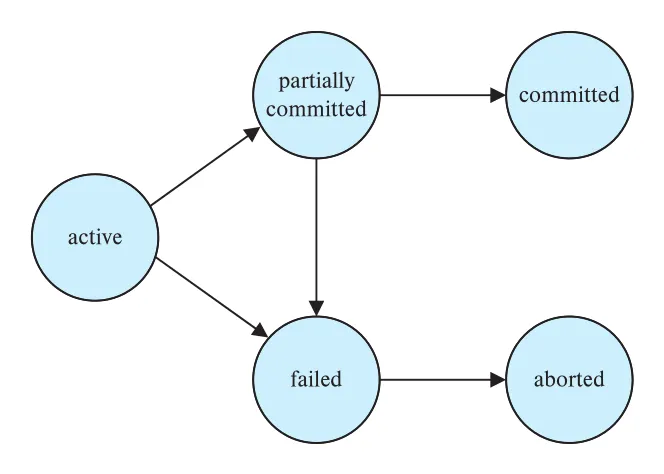 Figure 17.1 · PDF p. 835 · active에서 committed/aborted까지의 transaction state diagram
| state | 의미 |
|---|---|
Active | initial state, transaction이 실행 중 |
Partially committed | final statement는 끝났지만 commit 보장이 아직 완료되지 않음 |
Failed | 정상 실행을 더 진행할 수 없음 |
Aborted | rollback이 끝나 database가 transaction 시작 전 상태로 복구됨 |
Committed | commit에 필요한 정보가 안정적으로 기록되어 성공 완료 |
partially committed가 별도로 필요한 이유는 final statement가 실행되었다고 durability가 보장되는 것은 아니기 때문이다. Output이 아직 main memory에만 있으면 crash 때 사라질 수 있다. DBMS는 failure 후에도 updates를 재구성할 충분한 정보를 disk/stable storage에 기록한 뒤에야 transaction을 committed로 만든다.
Rollback이 끝나 aborted state에 들어간 transaction에 대해 DBMS는 두 가지 선택을 할 수 있다.
| 선택 | 언제 쓰는가 |
|---|---|
restart | hardware/software error처럼 transaction 내부 logic이 만든 문제가 아닌 이유로 abort된 경우. Restart된 transaction은 새 transaction으로 간주 |
kill | application logic error, 잘못된 input, 필요한 data 부재처럼 다시 실행해도 해결되지 않는 경우 |
observable external writes는 특별히 조심해야 한다. 화면 출력, email 전송, ATM 현금 지급처럼 database 밖에서 관찰된 효과는 rollback으로 지울 수 없다. 보통 DBMS/application은 transaction이 committed state에 들어간 뒤에만 이런 external write를 수행하게 한다. 구현상으로는 external write에 필요한 값을 database 안의 special relation에 임시 저장하고, commit 후 실제 external action을 수행할 수 있다.
하지만 모든 외부 동작을 단순히 재시도할 수 있는 것은 아니다. ATM에서 cash를 dispense하기 직전에 system failure가 났다면 restart 후 사용자가 떠난 상태에서 돈을 내보내는 것은 말이 되지 않는다. 이런 경우에는 현금 지급을 취소하는 대신 계좌에 다시 입금하는 compensating transaction 같은 application-level 처리 전략이 필요하다. Web booking도 마찬가지로, commit 직후 application server나 network가 끊겨 사용자가 결과를 못 봤을 수 있으므로, 재접속 시 transaction 성공 여부를 확인할 수 있게 설계해야 한다.
17.5 Transaction Isolation
DBMS가 transactions를 serial하게만 실행하면 isolation 문제는 단순해진다. 하지만 실제 transaction-processing system은 보통 여러 transactions를 concurrently 실행한다. 이유는 두 가지다.
| concurrent execution의 이점 | 설명 |
|---|---|
| improved throughput and resource utilization | 한 transaction이 disk I/O를 기다리는 동안 다른 transaction이 CPU를 사용할 수 있다. CPU와 여러 disks의 parallelism을 활용해 단위 시간당 처리 transaction 수를 늘린다 |
| reduced waiting time | 긴 transaction 하나 때문에 짧은 transaction이 오래 기다리는 상황을 줄이고, average response time을 낮춘다 |
이 동기는 운영체제의 multiprogramming과 같다. 문제는 각 transaction이 개별적으로는 consistency를 보존해도, operations가 interleaving되면 전체 database consistency가 깨질 수 있다는 점이다. DBMS는 이를 막기 위해 concurrency-control schemes를 사용한다. Chapter 17에서는 구체적 protocol보다, 어떤 concurrent execution이 correct한지 판단하는 개념을 먼저 세운다.
원문은 두 transaction을 사용한다.
T1: transfer $50 from A to B
  read(A)
  A := A - 50
  write(A)
  read(B)
  B := B + 50
  write(B)

T2: transfer 10 percent of A from A to B
  read(A)
  temp := A * 0.1
  A := A - temp
  write(A)
  read(B)
  B := B + temp
  write(B)
초기값이 A = 1000, B = 2000이라고 하자. Serial execution에는 최소 두 가지가 있다.
| serial schedule | 실행 순서 | 최종 결과 | consistency |
|---|---|---|---|
| schedule 1 | T1 followed by T2 | A = 855, B = 2145 | A + B = 3000 보존 |
| schedule 2 | T2 followed by T1 | A = 850, B = 2150 | A + B = 3000 보존 |
schedule은 여러 transactions의 instructions가 system에서 실제로 실행된 chronological order를 추상화한 것이다. 유효한 schedule은 각 transaction 내부 instruction order를 보존해야 한다. 예를 들어 T1 안에서 write(A)는 반드시 read(B)보다 앞에 있어야 한다. 또한 원문 schedule은 transaction이 committed state에 들어갔음을 나타내기 위해 commit operation도 포함한다.
serial schedule은 각 transaction의 instructions가 끊기지 않고 한 덩어리로 나타나는 schedule이다. n개 transactions가 있으면 가능한 serial schedules는 n!개다. Concurrent execution에서는 operating system의 context switch 때문에 여러 transactions의 instructions가 interleaving될 수 있고, 가능한 schedule 수는 serial schedule 수보다 훨씬 많다. 따라서 isolation의 핵심 질문은 “interleaving된 schedule이 어떤 serial schedule과 같은 효과를 내는가”가 된다.
다음 Figure 17.4는 interleaving된 schedule이더라도 schedule 1, 즉 T1 followed by T2와 같은 final state를 만들 수 있음을 보여준다. 이런 schedule은 concurrent schedule이지만 correct하다.
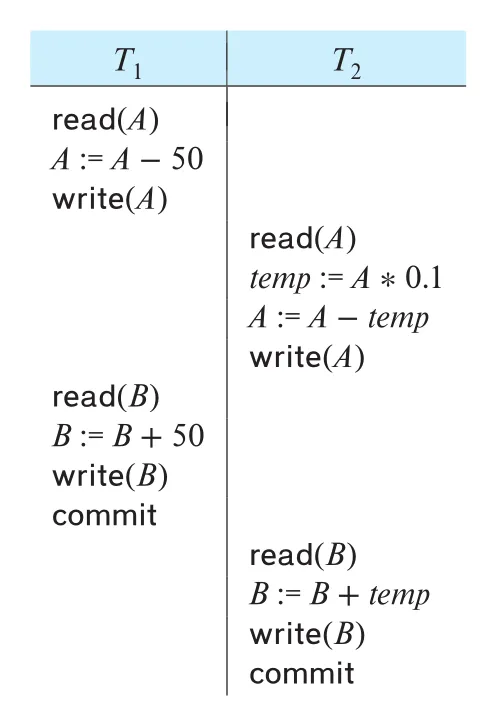 Figure 17.4 · PDF p. 841 · schedule 1과 equivalent한 concurrent schedule 3
반대로 모든 interleaving이 안전한 것은 아니다. Figure 17.5의 schedule 4는 최종값이 A = 950, B = 2100이 되어 A + B = 3050이 된다. 두 transactions가 각각 의도한 transfer logic은 맞지만, interleaving 때문에 50달러가 생긴 것처럼 database가 inconsistent state가 된다.
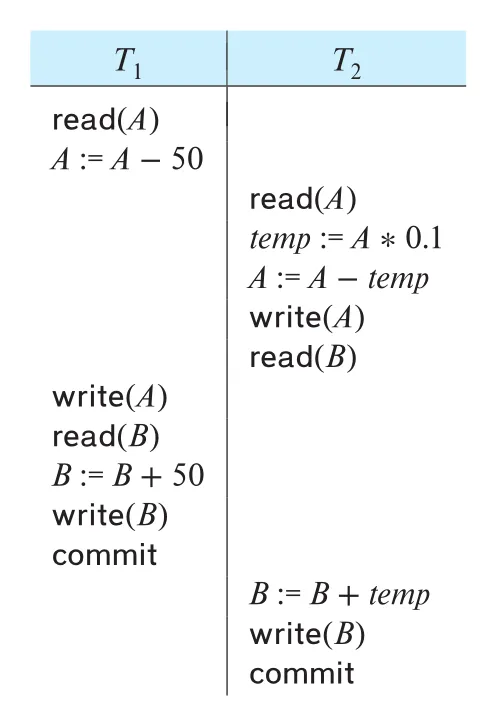 Figure 17.5 · PDF p. 842 · concurrent execution이 inconsistent state를 만드는 schedule 4
이 때문에 DBMS는 “OS가 우연히 만든 interleaving”을 그대로 허용하지 않는다. 실행되는 schedule이 어떤 serial schedule과 equivalent한 효과를 내도록 보장해야 하며, 이런 schedule을 serializable schedule이라고 한다.
17.6 Serializability
serializability는 concurrent execution의 correctness 기준이다. Serial schedule은 당연히 serializable이지만, 여러 transactions의 steps가 섞인 schedule이 serializable인지 판단하려면 equivalence 기준이 필요하다. 원문은 transaction 내부의 복잡한 계산 전체를 분석하지 않고, schedule 관점에서 중요한 read와 write만 고려한다. commit은 Section 17.7의 recoverability에서 다시 중요해진다.
Conflict and Conflict Equivalence
두 instructions I, J가 서로 다른 transactions에 속하고 같은 data item Q를 access하며, 둘 중 적어도 하나가 write(Q)이면 두 instructions는 conflict한다.
| instruction pair | conflict 여부 | 이유 |
|---|---|---|
read(Q) / read(Q) | 아니오 | 둘 다 같은 값을 읽으므로 순서가 결과에 영향 없음 |
read(Q) / write(Q) | 예 | read가 old value를 읽는지, written value를 읽는지가 달라짐 |
write(Q) / read(Q) | 예 | read가 어느 write 이후 값을 읽는지가 달라짐 |
write(Q) / write(Q) | 예 | 마지막 write가 final value를 결정함 |
| 서로 다른 data items | 아니오 | 같은 data item을 두고 경쟁하지 않음 |
Consecutive instructions가 conflict하지 않으면 둘의 순서를 swap해도 schedule의 효과가 바뀌지 않는다. 어떤 schedule S가 nonconflicting swaps의 연속으로 S'로 바뀔 수 있으면, 둘은 conflict equivalent하다. 그리고 어떤 schedule이 serial schedule과 conflict equivalent하면 conflict serializable하다.
Figure 17.4의 schedule 3은 read/write만 남기고 보면, nonconflicting instructions를 여러 번 swap해 serial schedule 1과 같은 형태로 만들 수 있다. 따라서 schedule 3은 conflict serializable이다.
Precedence Graph and Conflict Serializability Test
precedence graph는 schedule이 conflict serializable한지 검사하는 directed graph다. Vertex는 schedule에 참여한 transactions이고, edge Ti -> Tj는 Ti의 operation이 Tj의 conflicting operation보다 먼저 실행되어야 함을 뜻한다.
Edge는 다음 세 경우에 생긴다.
| edge 조건 | 의미 |
|---|---|
Ti의 write(Q)가 Tj의 read(Q)보다 앞섬 | Tj가 읽는 값이 Ti의 write에 의존할 수 있음 |
Ti의 read(Q)가 Tj의 write(Q)보다 앞섬 | 순서를 바꾸면 Ti가 읽는 값이 바뀔 수 있음 |
Ti의 write(Q)가 Tj의 write(Q)보다 앞섬 | final value를 결정하는 write 순서가 바뀔 수 있음 |
Serial schedules의 precedence graph는 cycle이 없다. Figure 17.10은 schedule 1과 schedule 2의 graph를 보여준다. Schedule 1은 T1 -> T2, schedule 2는 T2 -> T1이라는 한 방향 constraint만 가진다.
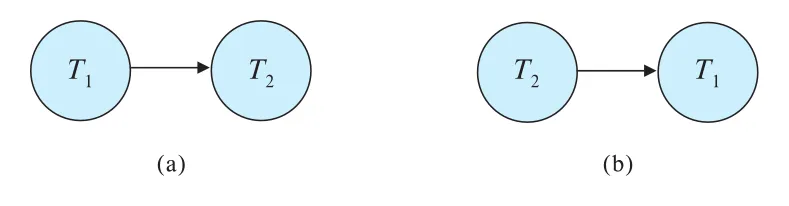 Figure 17.10 · PDF p. 845 · 두 serial schedules의 precedence graph
반면 Figure 17.11의 schedule 4는 T1 -> T2와 T2 -> T1이 동시에 생긴다. T1이 read(A)를 먼저 하고 T2가 write(A)를 하므로 T1 -> T2가 생기고, T2가 read(B)를 먼저 하고 T1이 write(B)를 하므로 T2 -> T1이 생긴다. Cycle이 있으므로 schedule 4는 conflict serializable하지 않다.
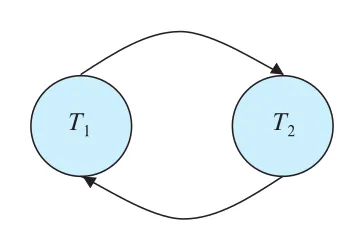 Figure 17.11 · PDF p. 846 · schedule 4의 cycle을 가진 precedence graph
판정 규칙은 간단하다.
Cycle이 없으면 graph의 partial order와 일치하는 linear order를 만들 수 있고, 이를 topological sorting이라고 한다. 이 linear order가 해당 schedule의 serializability order다. Cycle detection은 depth-first search 같은 graph algorithm으로 수행할 수 있다.
View Serializability
conflict serializability는 보수적인 기준이다. 어떤 schedules는 실제 final outcome은 같지만 conflict equivalent하지 않을 수 있다. 원문 schedule 8은 increment/decrement의 수학적 성질 때문에 serial schedule과 같은 최종값을 만들지만, read/write conflict만 보면 cycle이 생긴다.
이보다 덜 엄격한 equivalence로 view equivalence와 view serializability가 있다. 그러나 view serializability testing은 computationally expensive하고, 일반적으로 NP-complete인 것으로 알려져 실제 DBMS에서 직접 쓰기 어렵다. 그래서 실무적 concurrency control은 보통 conflict serializability를 보장하는 방향으로 설계된다.
17.7 Transaction Isolation and Atomicity
지금까지의 serializability 논의는 transaction failure가 없다고 암묵적으로 가정했다. 하지만 실제 system에서는 transaction이 중간에 fail할 수 있고, atomicity를 위해 그 transaction의 effects를 undo해야 한다. Concurrent execution에서는 한 transaction이 다른 transaction이 쓴 값을 읽었을 수 있으므로, 단순히 failed transaction 하나만 rollback하면 충분하지 않을 수 있다.
17.7.1 Recoverable Schedules
어떤 transaction Tj가 Ti가 write한 data item을 read했다면, Tj는 Ti에 dependent하다. 이때 Tj가 먼저 commit한 뒤 Ti가 abort하면 문제가 생긴다. Tj는 이미 commit되어 abort할 수 없는데, Tj가 읽은 값은 abort되어야 할 Ti의 dirty value였기 때문이다.
Figure 17.14의 schedule 9가 바로 이런 nonrecoverable schedule이다. T7은 T6가 쓴 A를 읽고 곧바로 commit한다. 그런데 T6가 아직 active인 상태에서 나중에 fail하면, T7도 abort해야 atomicity가 맞지만 이미 commit되어 버렸다.
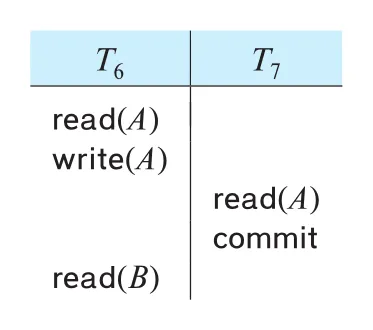 Figure 17.14 · PDF p. 849 · dependent transaction이 먼저 commit해 복구가 불가능해지는 nonrecoverable schedule
recoverable schedule의 조건은 다음과 같다.
Tj가 Ti가 쓴 값을 읽었다면,
commit(Ti)는 commit(Tj)보다 먼저 나와야 한다.
즉, 남의 uncommitted write를 읽은 transaction은 그 writer가 commit하기 전에는 commit하면 안 된다.
17.7.2 Cascadeless Schedules
Recoverable schedule이어도 recovery cost가 클 수 있다. 어떤 transaction Ti가 abort했을 때, Ti가 쓴 값을 읽은 Tj도 abort해야 하고, 다시 Tj가 쓴 값을 읽은 Tk도 abort해야 할 수 있다. 이런 연쇄 rollback을 cascading rollback이라고 한다.
Figure 17.15의 schedule 10에서는 T8이 쓴 A를 T9가 읽고, T9가 쓴 A를 T10이 읽는다. T8이 abort하면 T9, 이어서 T10까지 rollback해야 한다.
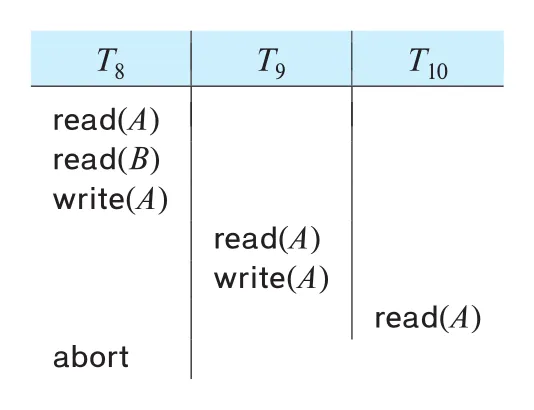 Figure 17.15 · PDF p. 849 · 하나의 abort가 연쇄 rollback으로 번지는 cascading rollback 예시
이를 피하려면 cascadeless schedule이 필요하다.
Tj가 Ti가 쓴 값을 읽으려면,
commit(Ti)는 read(Tj)보다 먼저 나와야 한다.
즉, transaction은 committed data만 읽어야 한다. 모든 cascadeless schedule은 recoverable이지만, 모든 recoverable schedule이 cascadeless인 것은 아니다. Cascadelessness는 abort 전파를 막아 recovery를 단순하고 싸게 만든다.
17.8 Transaction Isolation Levels
serializability는 programmer가 concurrency를 거의 의식하지 않게 해 주는 강한 기준이다. 각 transaction이 혼자 실행될 때 consistency를 보존한다면, serializable concurrent execution도 consistency를 보존한다. 하지만 serializability를 강제하는 protocols는 concurrency를 지나치게 제한할 수 있다. 그래서 SQL은 더 약한 isolation levels를 제공한다.
| isolation level | 허용/보장 | 위험 |
|---|---|---|
Serializable | 일반적으로 serializable execution 보장 | 일부 DBMS 구현은 이름과 달리 특정 nonserializable execution을 허용할 수 있음 |
Repeatable read | committed data만 읽고, transaction이 같은 data item을 두 번 읽는 사이 다른 transaction이 그 item을 update하지 못함 | predicate로 찾는 tuple set 전체는 고정되지 않을 수 있어 phantom 계열 문제가 남을 수 있음 |
Read committed | committed data만 읽음 | 같은 item을 두 번 읽는 사이 다른 committed update 때문에 값이 바뀔 수 있음, 즉 nonrepeatable read 가능 |
Read uncommitted | uncommitted data도 읽을 수 있음 | dirty read 가능, SQL이 허용하는 가장 낮은 isolation level |
위 isolation levels는 모두 dirty writes는 금지한다. 즉, 아직 commit/abort하지 않은 다른 transaction이 이미 write한 data item에 다시 write하는 것은 허용하지 않는다.
많은 DBMS는 기본적으로 read committed를 사용한다. SQL에서는 다음처럼 isolation level을 명시할 수 있다.
set transaction isolation level serializable;Isolation level 변경은 transaction의 첫 statement로 수행되어야 한다. 또한 대부분의 database는 기본적으로 각 SQL statement를 즉시 commit하는 automatic commit을 사용한다. 여러 SQL statements를 하나의 transaction으로 묶으려면 automatic commit을 끄거나 start transaction 이후 commit 또는 rollback까지를 하나의 transaction으로 실행해야 한다. JDBC/ODBC 같은 API도 setAutoCommit(false)와 transaction isolation 설정 기능을 제공한다.
Weak isolation은 성능을 위해 correctness 부담을 programmer에게 일부 넘기는 선택이다. 특정 inconsistency가 application에 중요하지 않다고 확신할 수 있을 때만 사용하는 것이 안전하다.
17.9 Implementation of Isolation Levels
Concurrency-control policy의 목표는 OS가 CPU time을 어떻게 나누든, 생성 가능한 schedules가 conflict serializable 또는 view serializable, recoverable, cascadeless가 되도록 제한하는 것이다. 가장 단순한 정책은 transaction 시작 전 전체 database lock을 잡고 commit 후 release하는 방식이다. 이 경우 serial schedules만 생성되어 안전하지만 concurrency가 전혀 없어 성능이 나쁘다.
17.9.1 Locking
locking은 transaction이 access하는 data items에 lock을 잡는 방식이다. 핵심 trade-off는 lock을 충분히 오래 잡아 serializability를 보장하되, 너무 오래 잡아 concurrency를 망치지 않는 것이다. 대표 protocol인 two-phase locking은 두 단계를 강제한다.
growing phase:   locks를 acquire하지만 release하지 않음
shrinking phase: locks를 release하지만 새 lock을 acquire하지 않음
실무에서는 보통 transaction이 commit 또는 abort할 때까지 locks를 유지한다. shared lock과 exclusive lock을 구분하면 concurrency가 좋아진다. Shared lock은 read용이라 여러 transactions가 동시에 잡을 수 있고, exclusive lock은 write용이라 다른 어떤 lock도 없어야 잡을 수 있다. 이 조합은 concurrent reads를 허용하면서도 conflicting writes를 막는다.
17.9.2 Timestamps
timestamp ordering 계열은 각 transaction에 시작 시점 등의 timestamp를 부여한다. 각 data item마다 다음 두 timestamp를 유지한다.
| timestamp | 의미 |
|---|---|
read timestamp | 그 data item을 읽은 transactions 중 가장 최신 timestamp |
write timestamp | 현재 value를 write한 transaction의 timestamp |
Conflicting accesses가 transaction timestamp order를 따르도록 검사하고, 불가능하면 offending transaction을 abort하고 새 timestamp로 restart한다.
17.9.3 Multiple Versions and Snapshot Isolation
multiversion concurrency control은 data item의 여러 versions를 유지해, transaction이 최신 uncommitted value를 기다리는 대신 old version을 읽을 수 있게 한다. 그중 snapshot isolation은 실무에서 널리 쓰인다.
Snapshot isolation에서는 transaction이 시작될 때 database의 자기 snapshot을 받는다고 생각할 수 있다. Transaction은 그 private snapshot에서 read하고, update도 처음에는 자기 version에만 반영한다. Transaction이 partially committed에 도달하면, 자신이 update하려는 data를 다른 concurrent transaction이 이미 modify했는지 검사한다. 충돌이 없으면 updates를 real database에 적용하고 commit하며, 충돌이 있으면 abort한다.
Snapshot isolation의 성능상 장점은 크다.
- Reads never need to wait: 읽기는 lock 때문에 기다리지 않는다.
- Read-only transactions cannot be aborted: 읽기 전용 transaction은 abort 위험이 없다.
- Writers만 commit 시점에 conflict check를 하므로, read-heavy workload에서 locking보다 유리할 수 있다.
다만 snapshot isolation이 모든 경우에 serializability를 보장하는 것은 아니다. 이 caveat는 Chapter 18에서 더 자세히 다룬다.
Snapshot isolation의 역설적 문제는 “너무 많이 격리한다”는 데 있다. Serializable execution에서는 두 transactions T와 T' 중 하나가 serialization order에서 먼저 오므로, 나중 transaction은 먼저 transaction의 updates를 볼 수 있어야 한다. 하지만 snapshot isolation에서는 둘 다 자기 시작 시점 snapshot을 읽기 때문에, T도 T'의 update를 못 보고 T'도 T의 update를 못 보는 상황이 가능하다. 두 transaction이 서로가 읽은 data item을 update하면, precedence graph 관점에서는 cycle이 생길 수 있고, serial execution으로는 얻을 수 없는 inconsistent state가 생길 수 있다. 이 문제는 흔히 write skew 계열 anomaly로 이어진다.
일부 DBMS는 snapshot isolation을 별도 isolation level로 제공하고, 일부는 serializable snapshot isolation처럼 snapshot의 read performance 장점을 유지하면서 serializability까지 보장하려는 방식을 제공한다. 핵심은 이름이 serializable이라고 해서 항상 이론적 serializability와 같은 구현이라는 보장이 없으므로, application designer는 DBMS의 실제 isolation 구현을 알아야 한다는 점이다.
17.10 Transactions as SQL Statements
지금까지의 simple model은 이미 존재하는 fixed data items에 대해 read(X)와 write(X)만 수행한다고 보았다. SQL에서는 insert가 새 tuple을 만들고, delete가 tuple을 제거하며, where clause predicate가 어떤 tuples를 읽을지 결정한다. 이 때문에 단순 read/write item 모델로는 잡히지 않는 conflict가 생긴다.
예를 들어 다음 query는 salary가 90000보다 큰 instructors를 찾는다.
select ID, name
from instructor
where salary > 90000;
동시에 다른 transaction이 다음 tuple을 insert한다고 하자.
insert into instructor
values ('11111', 'James', 'Marketing', 100000);
Query가 먼저 실행되면 James를 보지 못하고, insert가 먼저 실행되면 James를 본다. 직관적으로 두 SQL statements는 conflict한다. 하지만 simple model의 precedence graph는 이미 access한 concrete tuples만 기준으로 edge를 만들기 때문에, query가 먼저 실행된 경우에는 James tuple이 아직 없어서 conflict가 포착되지 않을 수 있다. 이런 현상을 phantom phenomenon이라고 한다. Conflict가 “이미 존재하는 tuple”이 아니라 “predicate를 만족할 수 있는 phantom data”에 걸려 있기 때문이다.
SQL concurrency control은 tuple 자체뿐 아니라 tuple을 찾는 데 사용한 정보도 고려해야 한다.
| simple read/write model | SQL statement 현실 |
|---|---|
operation이 특정 data item X를 명시적으로 read/write | where predicate가 실행 시점 database 상태에 따라 tuple set을 결정 |
| conflict는 같은 data item access로 판정 | insert/delete/update가 predicate result set을 바꿀 수 있으면 conflict |
| precedence graph edge가 concrete item 중심 | relation scan structure, index structure, search-key update까지 고려 필요 |
Index가 있느냐에 따라 low-level access path가 달라지는 것도 문제다. 예를 들어 salary > 90000 query가 full table scan을 하면 Wu의 tuple도 읽을 수 있지만, salary index로 바로 qualifying tuples만 읽으면 Wu의 tuple을 읽지 않을 수 있다. 그러나 user-level 의미에서 conflict 여부가 optimizer의 access path 선택에 따라 달라지는 것은 이상하다. 그래서 더 높은 수준의 접근은 insert/delete/update가 relation predicate가 선택하는 tuple set을 바꿀 수 있으면 conflict한다고 본다.
이 아이디어가 predicate locking이다. Predicate locking은 relation의 특정 predicate, 예를 들어 salary > 90000을 만족하는 tuple set에 영향을 줄 수 있는 insert/delete/update를 막는다. 실제 구현은 보통 index nodes에 lock을 잡는 방식으로 근사하며, Chapter 18의 index-locking protocols에서 더 자세히 다룬다.
17.11 Summary
Chapter 17은 transaction을 “failure와 concurrency 속에서도 database consistency를 보존하기 위한 실행 단위”로 정식화한다.
| 주제 | 핵심 |
|---|---|
| transaction concept | 여러 operations를 하나의 logical unit of work로 묶음 |
| ACID properties | atomicity, consistency, isolation, durability |
| storage structure | volatile storage, non-volatile storage, stable storage 구분 |
| recovery와 atomicity | log, undo, redo, rollback, committed, aborted |
| transaction state | active, partially committed, failed, aborted, committed, terminated |
| isolation motivation | concurrent execution은 throughput/resource utilization/response time을 개선하지만 inconsistency 위험을 만듦 |
| schedule | concurrent execution의 read/write/commit order를 추상화 |
| serializability | concurrent schedule이 어떤 serial schedule과 equivalent해야 함 |
| conflict serializability | conflicting operations와 precedence graph cycle로 효율적으로 판정 |
| recoverable/cascadeless schedules | failure recovery가 가능하고 cascading rollback을 피하도록 commit/read order 제한 |
| isolation levels | Serializable, Repeatable read, Read committed, Read uncommitted, dirty writes 금지 |
| implementation overview | locking, timestamp ordering, multiversion concurrency control, snapshot isolation |
| SQL transaction 문제 | insert, delete, predicate-based read 때문에 phantom phenomenon, predicate locking 필요 |
연결 관계
- Chapter 18
Concurrency Control: Chapter 17의 correctness 조건인 serializability, recoverability, cascadelessness를 실제로 보장하는locking,timestamp ordering,validation,multiversion,snapshot isolation,predicate lockingprotocols를 다룬다. - Chapter 19
Recovery System: Chapter 17에서 소개한log,undo,redo,stable storage,atomicity,durability를 실제 recovery algorithm과write-ahead logging으로 구현한다. - Chapter 4 SQL 기본:
commit,rollback,start transaction, integrity constraints와 연결된다. - Chapter 15-16 query processing/optimization: SQL statement의 access path가 concurrency conflict 판정과도 연결될 수 있음을 phantom/predicate locking에서 다시 확인한다.
오해하기 쉬운 내용
Consistency는 DBMS가 전부 자동 보장하는 성질이 아니다. DBMS constraints가 표현 가능한 조건은 검사하지만, application-dependent consistency는 transaction logic을 작성한 programmer 책임이다.Atomicity와Durability는 비슷해 보이지만 반대 방향의 failure 대응이다. Atomicity는 실패한 transaction의 partial effects를 없애는 것이고, durability는 성공한 transaction의 effects를 잃지 않는 것이다.Serial schedule과serializable schedule은 다르다. Serial schedule은 실제로 transactions가 한 번에 하나씩 실행된 schedule이고, serializable schedule은 interleaving되었더라도 어떤 serial schedule과 equivalent한 schedule이다.Recoverable과cascadeless도 다르다. Recoverable은 commit order 조건이고, cascadeless는 uncommitted data를 읽지 않게 해 cascading rollback 자체를 방지하는 더 강한 조건이다.Read committed는 dirty read를 막지만 repeatable read를 보장하지 않는다. 같은 data item을 다시 읽었을 때 값이 달라질 수 있다.Snapshot isolation은 read 성능이 좋지만 항상 serializable은 아니다. 서로의 updates를 보지 못하는 write skew 같은 anomaly가 가능하다.- SQL의 conflict는 tuple 단위만 보면 부족하다.
wherepredicate가 선택할 수 있는 phantom tuples까지 고려해야 한다.
면접 질문
ACID properties각각을 계좌 이체 예시로 설명해 보라.atomicity와durability를 모두 보장하기 위해log에는 어떤 정보가 필요하고, 왜 old value와 new value가 모두 필요한가?serial schedule과serializable schedule의 차이는 무엇인가?- 두 operations가
conflict한다고 말하려면 어떤 조건이 필요한가? precedence graph로 conflict serializability를 판정하는 절차를 설명해 보라.recoverable schedule과cascadeless schedule의 차이는 무엇이며, cascading rollback은 왜 문제가 되는가?Read committed,Repeatable read,Serializable의 차이를 anomaly 관점에서 설명해 보라.snapshot isolation이 왜 read-heavy workload에서 빠를 수 있고, 왜 serializability를 항상 보장하지는 않는가?- SQL에서
phantom phenomenon이 왜 simple read/write model로는 잘 포착되지 않는가? predicate locking이 필요한 이유와 index locking과의 연결을 설명해 보라.