개요
Chapter 5는 SQL을 application code, database server 내부 procedural code, automatic action, recursive computation, analytical aggregation으로 확장한다. Chapter 3-4가 SQL의 query/update/schema/security 기초를 다뤘다면, 이 장은 실제 application이 SQL을 어떻게 호출하고, DBMS가 SQL 주변의 절차적 로직과 분석 기능을 어떻게 제공하는지 보여 준다.
우선순위는 보류이므로 제품별 API 세부나 표준 문법 암기는 줄이고, 왜 이런 기능이 필요한지와 어떤 위험/효과가 있는지 중심으로 정리한다. 특히 prepared statement, SQL injection, stored procedure, trigger, recursive query, window function, rollup, cube는 검색 가능하도록 영어 용어를 유지한다.
핵심 개념
- SQL은 declarative query language이지만, application은 user interaction, report printing, GUI update, network call 같은 nondeclarative action을 위해 general-purpose programming language와 결합해야 한다.
- Programming language에서 SQL에 접근하는 방식은 크게
dynamic SQL과embedded SQL로 나뉜다. JDBC,ODBC, Python Database API는 database connection, SQL execution, result fetching, transaction control을 host language API로 제공한다.prepared statement는 query template을 미리 준비하고 parameter를 나중에 넣는 방식으로, 성능 재사용보다SQL injection방지가 더 중요한 이유가 된다.metadataAPI는 application이 schema를 hard-code하지 않고 database/result set 구조를 runtime에 알아내게 한다.
세부 정리
5.1 Accessing SQL from a Programming Language
SQL은 relation을 input/output으로 다루는 declarative language이다. 반면 Java, C, Python 같은 general-purpose programming language는 variable, object, loop, conditional, I/O를 중심으로 동작한다. 실제 database application은 SQL만으로 끝나지 않는다. Query/update는 application의 한 부분이고, 나머지는 user interaction, report generation, GUI rendering, external service call 같은 nondeclarative action이다.
따라서 application은 SQL과 host language를 연결해야 한다. 이 연결이 필요한 이유는 두 가지다.
| 이유 | 설명 |
|---|---|
| 표현력 보완 | SQL이 모든 일반 계산을 표현하지는 못하므로 C/Java/Python 같은 언어의 full expressive power가 필요함 |
| application integration | SQL 결과를 화면에 보여 주거나, 보고서를 만들거나, user input과 연결하려면 host language가 필요함 |
SQL과 host language의 가장 큰 mismatch는 data model이다. SQL은 relation 단위로 연산하고 relation을 반환하지만, host language는 보통 tuple attribute 값에 해당하는 variable/object 단위로 다룬다. 그래서 query result를 host language가 처리할 수 있도록 한 row씩 fetch하고, attribute 값을 language variable로 가져오는 mechanism이 필요하다.
Dynamic SQL과 Embedded SQL
Programming language에서 SQL을 쓰는 방식은 크게 두 가지다.
| 방식 | 핵심 아이디어 | 대표 예 |
|---|---|---|
dynamic SQL | program이 runtime에 SQL string을 만들고 DB server에 전송한 뒤 결과를 받아옴 | JDBC, ODBC, Python Database API |
embedded SQL | source code 안의 SQL statement를 preprocessor가 compile time에 host-language call로 변환 | EXEC SQL ... |
dynamic SQL은 runtime에 query string을 구성할 수 있어 유연하다. JDBC는 Java용 API이고, ODBC는 원래 C용 API였지만 C++, C#, Ruby, Go, PHP, Visual Basic 등으로 확장되었다. Python에서는 Python Database API를 구현한 driver를 통해 database에 접근한다.
embedded SQL은 SQL statement가 compile/preprocess time에 식별된다. Preprocessor가 embedded SQL을 host language declaration과 procedure call로 바꾼 뒤, host-language compiler가 결과 program을 compile한다. 이 방식은 SQL 관련 type error를 더 일찍 잡을 수 있고 query가 코드 안에서 비교적 명확히 보일 수 있지만, preprocessing 결과 code debugging이 복잡하고 host language 문법 변화와 충돌할 수 있다. 현재는 대부분 system이 embedded SQL보다 dynamic SQL을 더 많이 사용한다.
5.1.1 JDBC
JDBC는 Java program이 database server에 접속하고 SQL statement를 실행하며 result를 읽을 수 있게 하는 API이다. JDBC는 API를 정의할 뿐, database와 통신하는 wire protocol까지 표준화하지는 않는다. 실제 DBMS마다 JDBC driver가 필요하고, driver가 product-independent JDBC call을 product-specific protocol/call로 변환한다.
JDBC program의 기본 흐름은 다음과 같다.
DriverManager.getConnection()으로 database connection을 연다.Connection.createStatement()또는Connection.prepareStatement()로 statement handle을 만든다.executeQuery()로 query를 실행하거나executeUpdate()로 insert/update/delete/DDL을 실행한다.- Query result는
ResultSet으로 받고,next()로 한 tuple씩 fetch한다. getString(),getFloat()같은 getter로 attribute 값을 꺼낸다.- Connection, statement, result set 같은 resource를 닫는다.
Figure 5.1은 JDBC code의 전체 모양을 보여 준다. 이 예시는 Connection, Statement, ResultSet, executeUpdate, executeQuery, rset.next(), attribute getter가 어떻게 함께 쓰이는지 보여 주는 기본 골격이다.
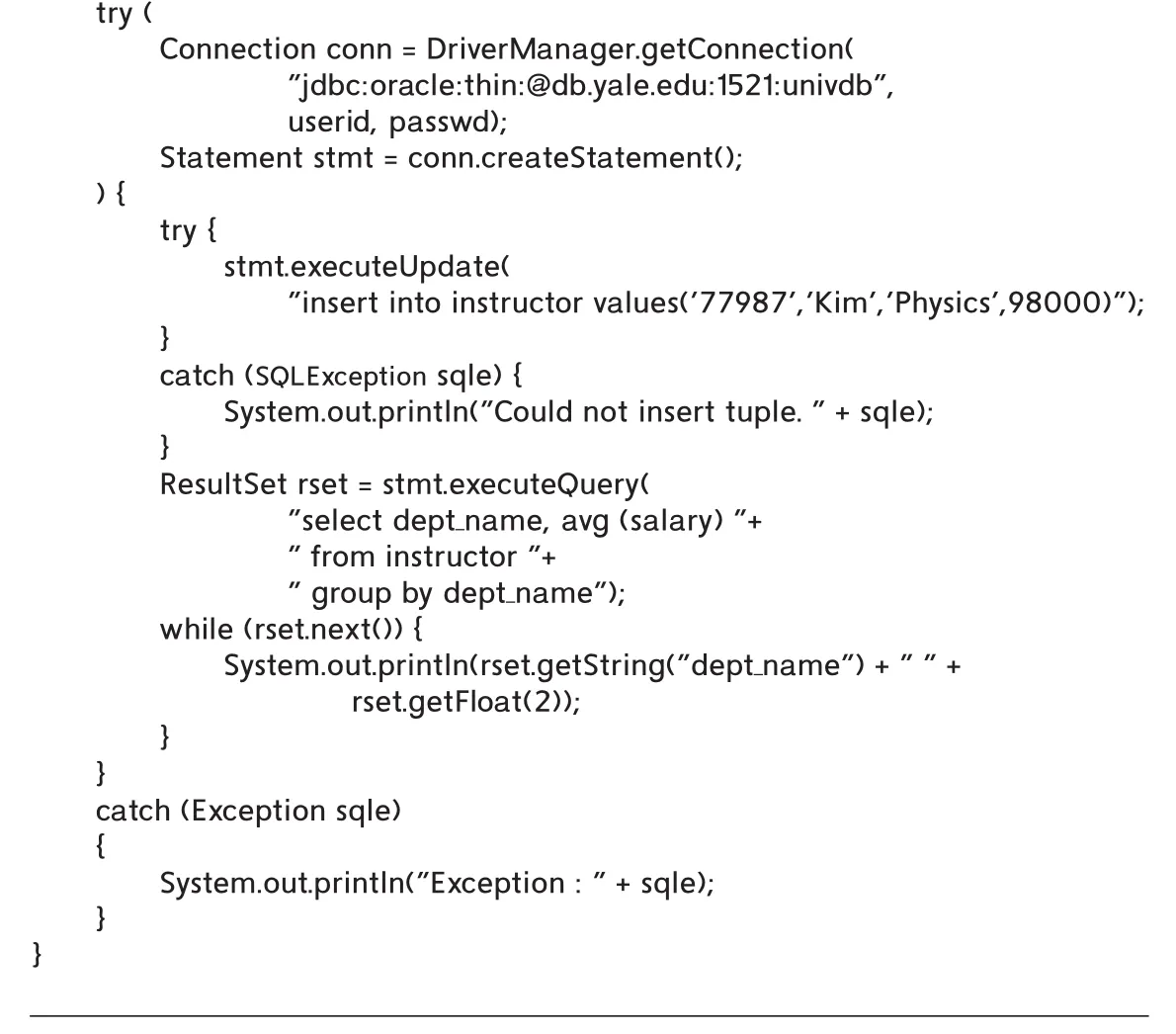 Figure 5.1 · PDF p. 214 · JDBC connection, update, query, result fetching의 기본 흐름
getConnection()에는 database URL/protocol/server/port/database name, database user identifier, password가 들어간다. Password가 source code 안에 직접 들어가면 보안 위험이 있으므로 실제 application에서는 configuration/secret management가 중요하다.
JDBC method는 SQLException을 던질 수 있다. SQL-specific exception과 일반 Java exception은 구분해서 처리하는 것이 좋다. 또한 connection/statement/result set은 system resource를 소비하므로 반드시 닫아야 한다. Java의 try-with-resources는 try block이 끝날 때 resource를 자동으로 close해 exception path에서도 leak을 줄인다.
Prepared Statements와 SQL Injection
prepared statement는 SQL statement 안의 일부 값을 ? placeholder로 두고, 실제 parameter value를 나중에 binding하는 방식이다.
insert into instructor values(?, ?, ?, ?)DBMS는 query template을 prepare/compile할 수 있고, application은 매 실행마다 setString(), setInt() 같은 method로 parameter 값을 바꿔 실행한다. Figure 5.2는 JDBC prepared statement의 parameter binding과 repeated execution을 보여 준다.
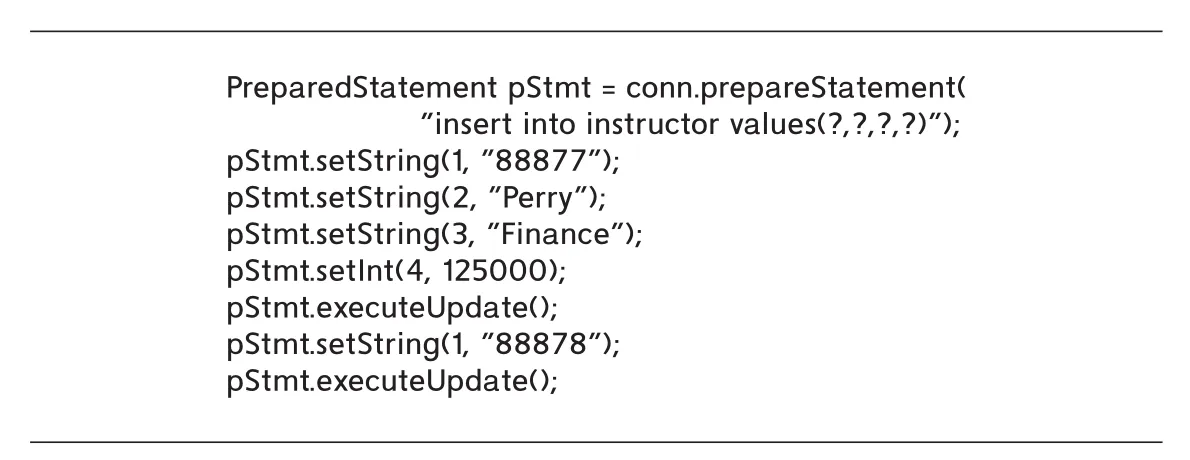 Figure 5.2 · PDF p. 218 · JDBC
 PreparedStatement에서 placeholder에 값을 binding하는 예
Prepared statement의 장점은 두 가지다.
| 장점 | 설명 |
|---|---|
| 실행 효율 | 같은 query template을 한 번 compile하고 여러 parameter로 반복 실행 가능 |
| 보안 | user input을 SQL syntax가 아니라 value로 다루게 해 SQL injection을 막음 |
성능보다 더 중요한 이유는 보안이다. User input을 string concatenation으로 SQL에 붙이면, 입력값 안의 quote나 SQL fragment가 query syntax를 바꿀 수 있다. 예를 들어 이름 조건에 사용자가 X' or 'Y' = 'Y를 넣으면 where clause가 항상 true가 되어 전체 relation이 반환될 수 있다. 더 심한 경우 X'; drop table instructor; -- 같은 입력으로 여러 SQL statement를 실행하게 만들 수도 있다.
Prepared statement는 user input을 parameter로 전달하고 필요한 escape 처리를 수행하므로, 입력 문자열이 SQL code가 아니라 data value로 해석된다. 따라서 user-entered value를 포함하는 SQL은 string concatenation으로 만들지 말고 반드시 prepared statement parameter로 전달해야 한다.
CallableStatement와 Metadata
JDBC의 CallableStatement는 SQL stored function/procedure를 호출하는 API이다. Query에 대한 PreparedStatement와 비슷하게, function/procedure call에 대해 parameter와 out parameter를 다룬다.
CallableStatement cStmt1 = conn.prepareCall("{? = call some_function(?)}");
CallableStatement cStmt2 = conn.prepareCall("{call some_procedure(?,?)}");
Function return value나 procedure out parameter의 type은 registerOutParameter()로 등록하고, 결과는 getter method로 꺼낸다.
metadata 기능은 application이 database schema를 hard-code하지 않고 runtime에 구조를 알아내게 한다. ResultSet.getMetaData()는 ResultSetMetaData를 반환하고, 이를 통해 query result의 column count, column name, column type 등을 얻을 수 있다. Connection.getMetaData()는 DatabaseMetaData를 반환해 DBMS product/version, supported feature, table 목록, column 목록, primary key, foreign-key reference 등을 확인할 수 있다.
Figure 5.3은 DatabaseMetaData.getColumns()로 특정 schema/table의 column 정보를 가져오는 예다.
 Figure 5.3 · PDF p. 221 · JDBC
 DatabaseMetaData로 column metadata를 조회하는 예
Metadata는 database browser, generic table viewer, query result formatter처럼 사전에 schema를 모르는 tool을 만들 때 중요하다. Schema가 바뀌어도 metadata를 읽어 동작하면 code의 robust함이 좋아진다.
JDBC의 추가 기능
JDBC는 updatable result set, transaction control, large object access, row set 같은 기능도 제공한다.
| 기능 | 핵심 |
|---|---|
| Updatable result set | query result tuple 수정이 base relation update로 이어질 수 있음 |
setAutoCommit(false) | statement별 automatic commit을 끄고 explicit transaction 사용 |
commit() / rollback() | transaction commit/rollback 수행 |
getBlob() / getClob() | large object 전체가 아니라 locator를 받아 조각 단위로 접근 |
setBlob() / setClob() | stream을 통해 BLOB/CLOB column에 큰 data 저장 |
| Row set | result set을 모아 다른 application으로 전달하거나 양방향 scan/modify |
Chapter 4에서 본 transaction 개념은 application API에서도 직접 나타난다. JDBC에서는 기본적으로 각 SQL statement가 auto-commit될 수 있으므로, 여러 statement를 하나의 atomic unit으로 묶으려면 conn.setAutoCommit(false) 후 conn.commit() 또는 conn.rollback()을 명시해야 한다.
5.1.2 Database Access from Python
Python에서도 database driver를 통해 SQL에 접근한다. Figure 5.4는 psycopg2 driver로 PostgreSQL에 연결하고, parameterized insert를 실행한 뒤, aggregate query 결과를 loop로 읽는 예다.
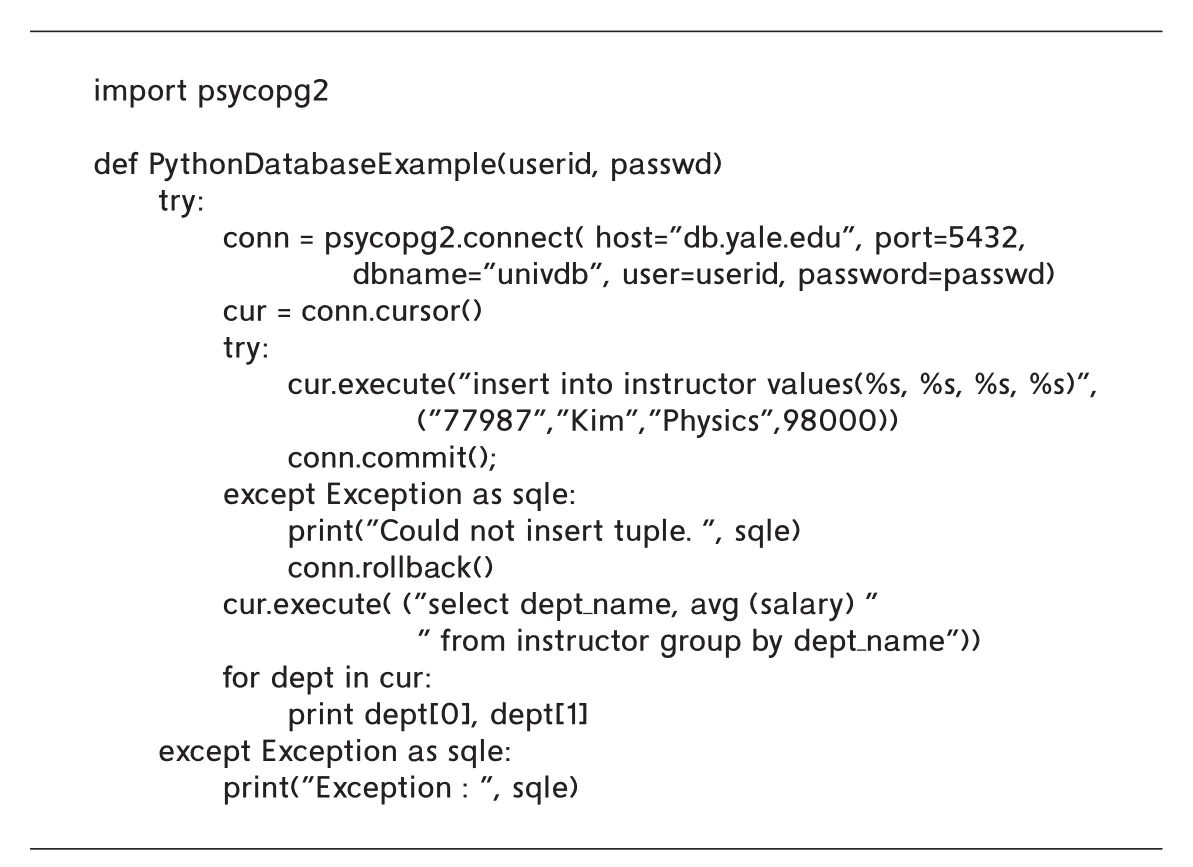 Figure 5.4 · PDF p. 223 · Python Database API로 connection, cursor, parameterized query, commit/rollback을 수행하는 예
Python Database API에서도 prepared statement와 같은 parameter binding을 사용한다. 예시에서는 SQL 안의 parameter marker로 %s를 쓰고, parameter values를 tuple/list로 전달한다. Update는 자동 commit되지 않으므로 commit()으로 확정하고, exception이 발생하면 rollback()으로 되돌린다.
Driver는 database-specific인 경우가 많다. PostgreSQL은 psycopg2, MySQL은 MySQLdb, Oracle은 cx_Oracle, ODBC 지원 DBMS는 pyodbc를 사용할 수 있다. Python Database API는 공통 형태를 제공하지만 driver마다 connect() parameter 등 세부 차이가 있을 수 있다.
5.1.3 ODBC
ODBC(Open Database Connectivity)는 application이 database server에 접속하고 query/update를 보내며 result를 가져오는 API이다. JDBC가 Java 중심이라면, ODBC는 원래 C language 중심으로 출발했다. GUI tool, statistics package, spreadsheet 같은 application도 ODBC를 통해 다양한 DBMS에 연결할 수 있다.
Figure 5.5는 C code에서 ODBC를 사용하는 흐름을 보여 준다.
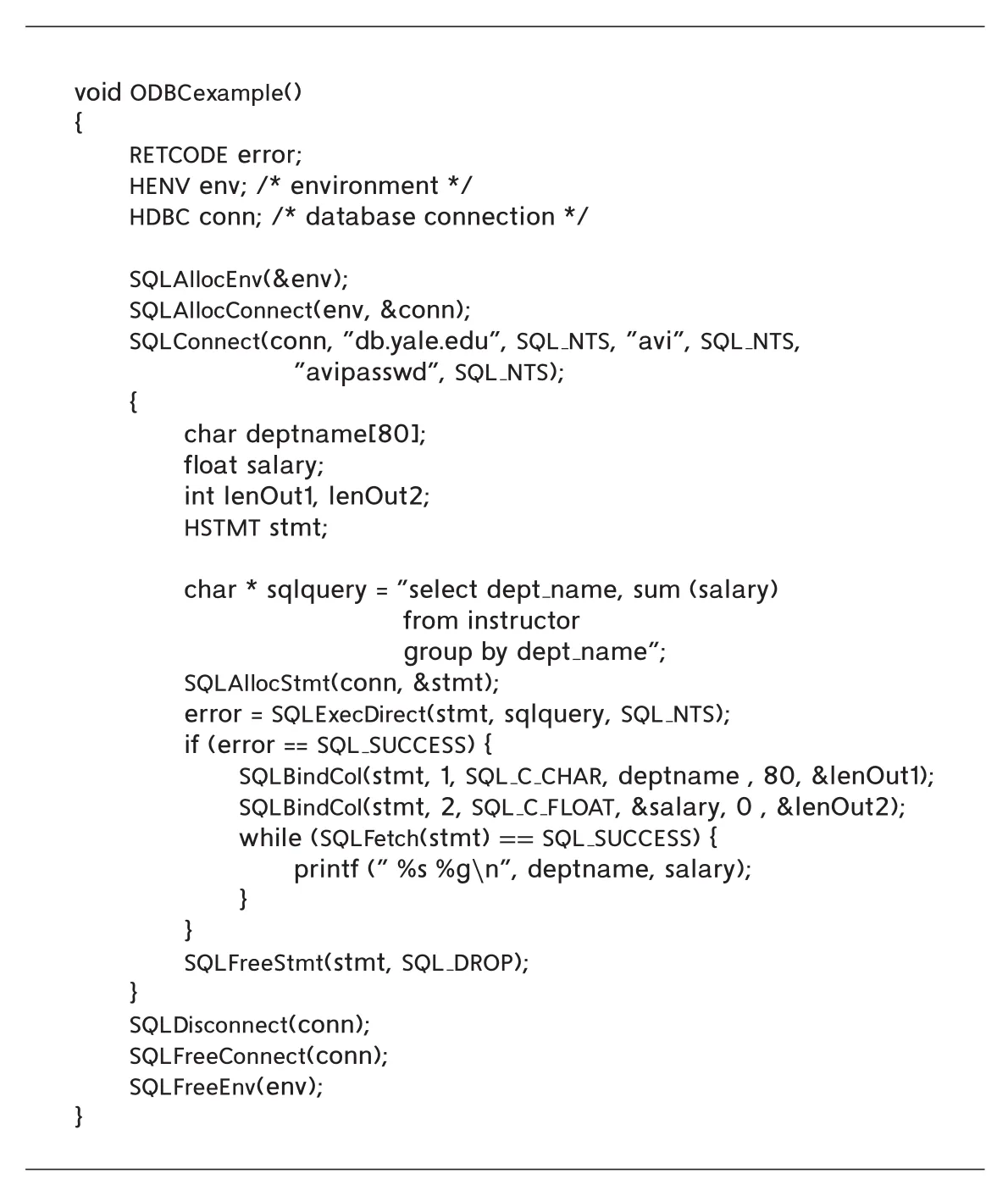 Figure 5.5 · PDF p. 224 · ODBC에서 environment/connection/statement handle과 fetch loop를 사용하는 예
ODBC의 기본 흐름은 JDBC와 비슷하지만 C-style handle과 binding이 두드러진다.
| 단계 | ODBC 개념 |
|---|---|
| environment 준비 | SQLAllocEnv |
| connection handle 생성 | SQLAllocConnect |
| server 연결 | SQLConnect |
| statement 실행 | SQLExecDirect |
| result column binding | SQLBindCol |
| tuple fetch | SQLFetch |
| resource 해제 | SQLFreeStmt, SQLDisconnect, SQLFreeConnect, SQLFreeEnv |
SQLBindCol은 query result의 attribute 위치와 C variable을 연결한다. 이후 SQLFetch가 한 tuple을 가져올 때 attribute 값이 지정된 C variable에 저장된다. Variable-length type에서는 실제 길이를 저장할 위치도 함께 넘기며, 길이 field가 negative이면 null을 뜻한다.
ODBC도 parameterized statement, catalog metadata 조회, automatic commit control을 제공한다. SQLSetConnectOption(conn, SQL_AUTOCOMMIT, 0)으로 automatic commit을 끄고, SQLTransact(conn, SQL_COMMIT) 또는 SQLTransact(conn, SQL_ROLLBACK)으로 transaction을 끝낼 수 있다. SQL 표준의 CLI(Call Level Interface)는 ODBC와 유사한 interface이다.
5.1.4 Embedded SQL
embedded SQL은 host language code 안에 SQL statement를 직접 넣고, preprocessor가 이를 host-language declaration과 procedure call로 변환하는 방식이다. Embedded SQL statement는 보통 다음 형태로 표시된다.
EXEC SQL <embedded SQL statement>;Host language variable을 embedded SQL 안에서 사용할 때는 SQL variable과 구분하기 위해 앞에 colon :을 붙인다. Query result를 여러 row에 걸쳐 처리하려면 cursor를 선언하고, cursor를 open한 뒤 host-language loop 안에서 fetch를 반복한다. Fetch된 row의 attribute 값은 host-language variable로 들어간다.
Embedded SQL의 장점은 SQL statement가 코드 안에서 직접 보이고, preprocessing 시점에 일부 SQL/type error를 잡을 수 있다는 점이다. 단점은 preprocessor가 생성한 host-language code 때문에 debugging이 복잡해지고, SQL을 식별하기 위한 construct가 host language의 미래 문법과 충돌할 수 있다는 점이다.
Note 5.1의 embedded database는 embedded SQL과 다르다. Embedded database는 server를 따로 두지 않고 application 내부에 database engine을 포함하는 방식이다. SQLite, Java DB, HSQLDB 같은 system이 예시다. 대규모 transaction processing이나 매우 큰 database에는 한계가 있지만, application 내부 data 관리에는 database abstraction을 간단히 제공한다.
5.2 Functions and Procedures
SQL에는 built-in function이 많지만, application마다 필요한 domain-specific computation이 있다. 예를 들어 map database의 line segment overlap 검사, image similarity 비교, university business rule 검사는 일반 SQL expression만으로 깔끔하게 표현하기 어렵거나 여러 application에서 반복된다.
function과 procedure는 이런 logic을 database 안에 저장하고 SQL statement나 application code에서 호출하게 해 준다. Stored procedure/function의 중요한 이점은 business logic을 한 곳에 두고 여러 application이 공유할 수 있다는 점이다. Rule이 바뀌면 application 각각을 고치는 대신 database routine 하나를 수정하면 된다.
다만 실제 DBMS의 procedure/function syntax는 표준과 많이 다르다. Oracle의 PL/SQL, SQL Server의 Transact-SQL, PostgreSQL의 PL/pgSQL은 개념은 비슷하지만 문법과 세부 의미가 다르므로, 최종본에서는 표준 syntax보다 개념을 중심으로 본다.
5.2.1 Declaring and Invoking SQL Functions and Procedures
SQL function은 input parameter를 받아 값을 반환한다. Figure 5.6의 dept_count는 department name을 받아 해당 department의 instructor 수를 반환한다.
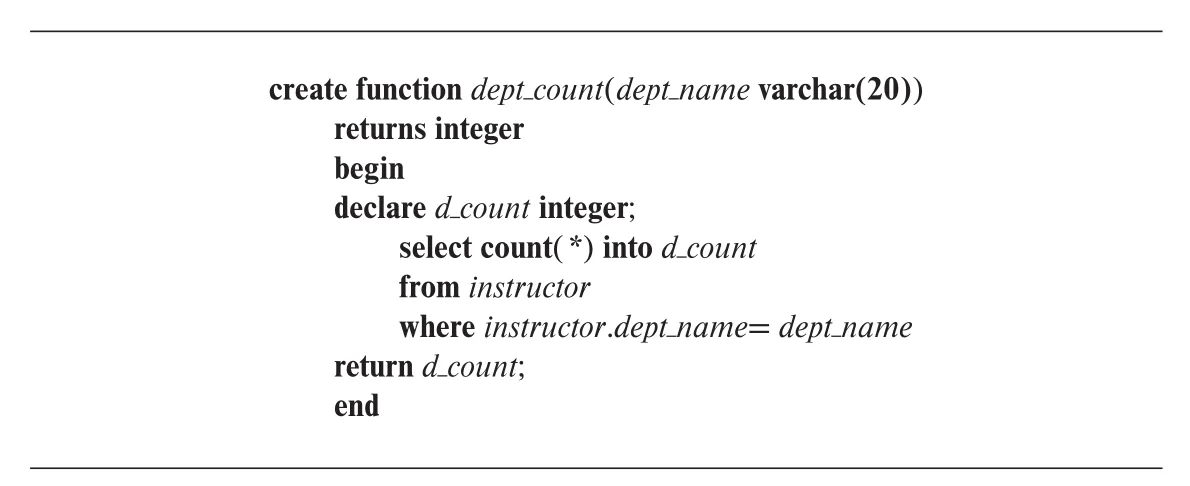 Figure 5.6 · PDF p. 228 · SQL로 정의한
 dept_count function 예시
이 function은 query 안에서 scalar expression처럼 사용할 수 있다.
select dept_name, budget
from department
where dept_count(dept_name) > 12;
User-defined function을 query의 많은 tuple에 대해 호출하면 성능 문제가 생길 수 있다. 특히 function body가 다시 query를 실행하거나 복잡한 computation을 수행하면 tuple마다 반복 호출되어 expensive해질 수 있다. 따라서 “표현이 깔끔하다”와 “optimizer가 효율적으로 처리할 수 있다”는 별개의 문제로 봐야 한다.
SQL 표준은 table을 반환하는 table function도 지원한다. Figure 5.7의 function은 department name을 parameter로 받아 그 department의 instructor tuples를 table로 반환한다.
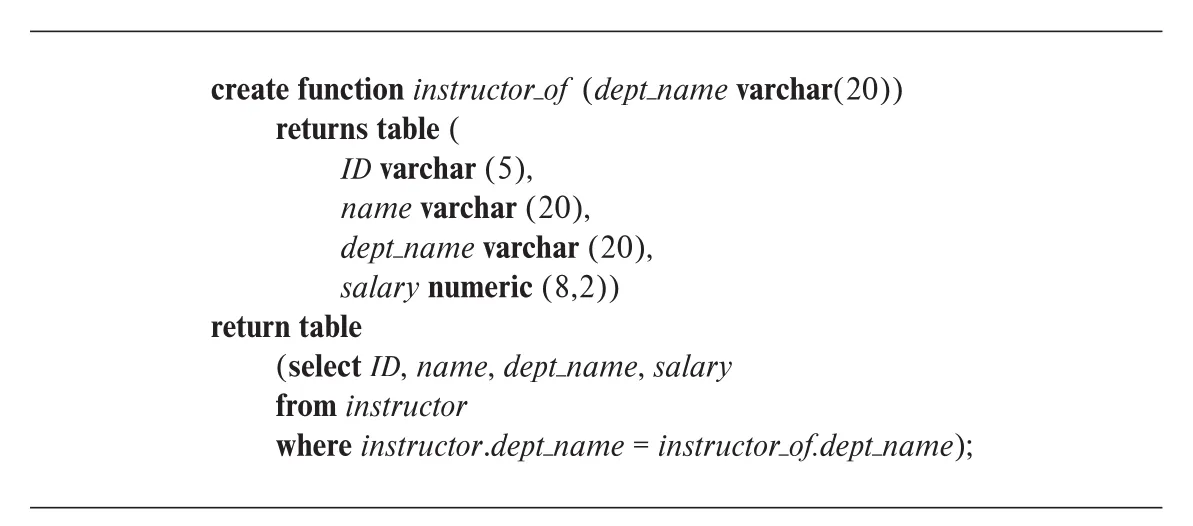 Figure 5.7 · PDF p. 229 · parameterized view처럼 동작하는 SQL table function
Table function은 from clause에서 table(...) 형태로 사용할 수 있다.
select *
from table(instructor_of('Finance'));
간단한 경우에는 일반 select로도 충분하지만, table-valued function은 parameterized view라고 생각하면 된다. View는 보통 parameter를 받지 않지만, table function은 parameter에 따라 반환 relation이 달라진다.
Procedure는 function처럼 호출되지만, return value보다 in/out parameter와 side effect에 초점이 있다.
create procedure dept_count_proc(in dept_name varchar(20),
                                 out d_count integer)
begin
   select count(*) into d_count
   from instructor
   where instructor.dept_name = dept_count_proc.dept_name;
end
in parameter는 호출자가 값을 제공하고, out parameter는 procedure가 값을 설정해 호출자에게 돌려준다. Procedure는 call statement로 호출한다.
declare d_count integer;
call dept_count_proc('Physics', d_count);
SQL은 procedure/function overloading도 허용한다. Procedure는 같은 이름이라도 argument 수가 다르면 구분될 수 있고, function은 argument 수 또는 같은 수의 argument라면 일부 argument type이 다르면 구분될 수 있다.
5.2.2 Language Constructs for Procedures and Functions
SQL 표준의 절차적 확장 부분을 PSM(Persistent Storage Module)이라고 한다. PSM은 SQL에 변수, assignment, compound statement, loop, condition, exception handling을 추가해 거의 general-purpose language에 가까운 절차적 로직을 작성하게 한다.
| Construct | 역할 |
|---|---|
declare | local variable 선언 |
set | variable assignment |
begin ... end | 여러 SQL statement를 묶는 compound statement |
begin atomic ... end | block 내부 statement를 하나의 transaction처럼 실행 |
while ... do ... end while | 조건 기반 반복 |
repeat ... until ... end repeat | 후조건 반복 |
for r as <query> do ... end for | query result row를 한 번에 하나씩 loop variable로 fetch |
if ... then ... elseif ... else ... end if | conditional execution |
case statement | 여러 case branch 중 선택 |
leave, iterate | loop 탈출 또는 다음 반복으로 이동 |
Figure 5.8은 course section 등록 procedure/function 예시이다. 핵심 흐름은 현재 수강 인원(currEnrol)과 classroom capacity(limit)를 비교하고, 여유가 있으면 takes에 insert하며, 초과하면 error message와 음수 error code를 반환하는 것이다.
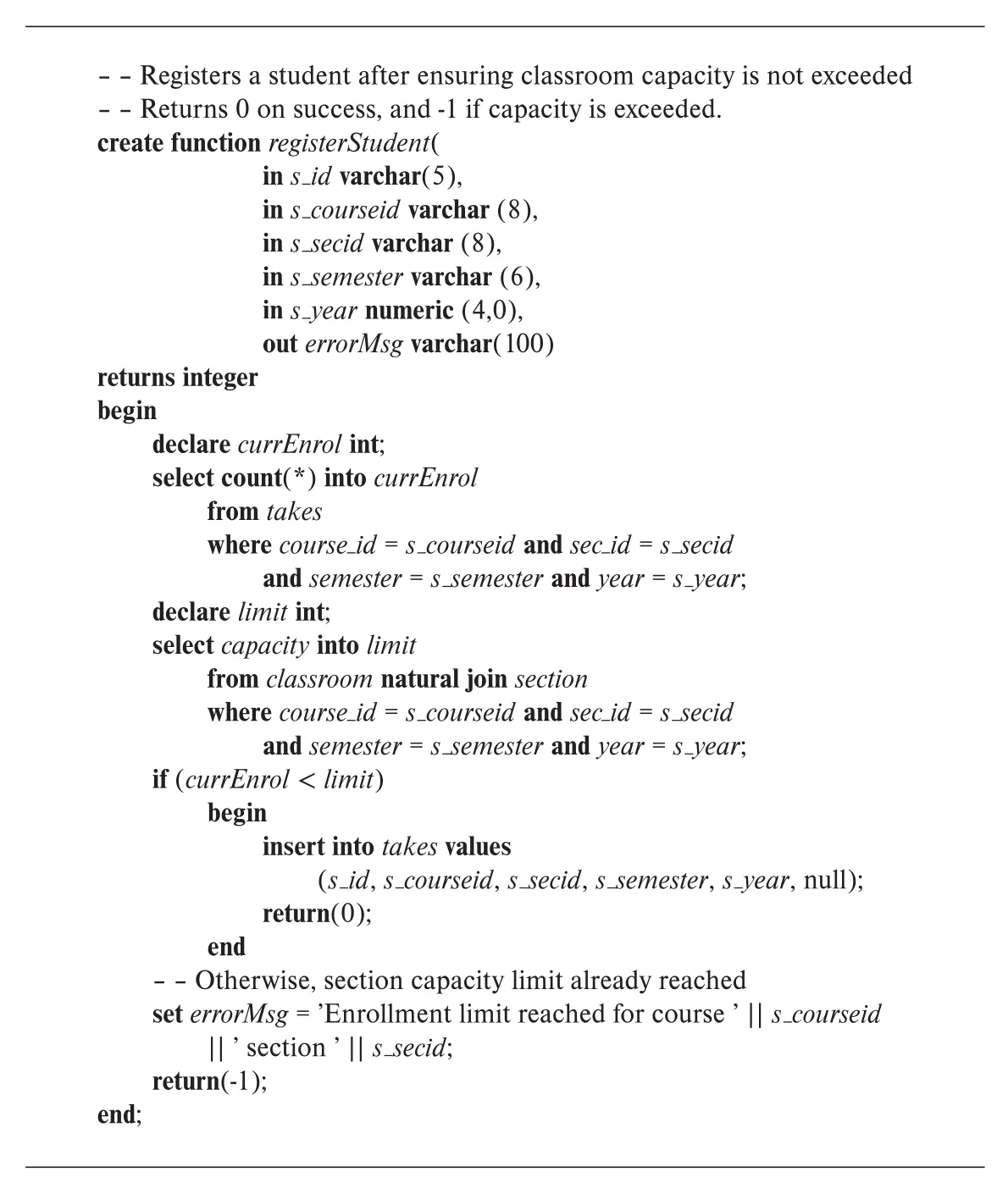 Figure 5.8 · PDF p. 232 · section capacity를 검사한 뒤 student를 등록하는 절차적 SQL 예시
이 예시는 SQL procedure/function이 단순 계산을 넘어 business rule enforcement를 담당할 수 있음을 보여 준다. 다만 이런 logic이 application code와 database routine 중 어디에 있어야 하는지는 유지보수, 성능, 배포, 권한 정책을 함께 고려해야 한다.
PSM은 exception condition과 handler도 지원한다.
declare out_of_classroom_seats condition;
declare exit handler for out_of_classroom_seats
begin
   -- handler statements
end;
Procedure body는 signal out_of_classroom_seats로 condition을 raise할 수 있다. Handler action은 enclosing block을 빠져나가는 exit 또는 다음 statement로 계속 진행하는 continue가 될 수 있다. 또한 sqlexception, sqlwarning, not found 같은 predefined condition도 있다.
5.2.3 External Language Routines
SQL procedural extension은 system마다 문법 차이가 크다. 이를 피하거나 SQL로 표현하기 어려운 computation을 수행하기 위해, Java, C#, C, C++ 같은 외부 programming language로 function/procedure를 작성하고 SQL에서 호출하게 할 수 있다.
개념적 syntax는 다음과 같다.
create procedure dept_count_proc(in dept_name varchar(20),
                                 out count integer)
language C
external name '/usr/avi/bin/dept_count_proc';

create function dept_count(dept_name varchar(20))
returns integer
language C
external name '/usr/avi/bin/dept_count';
External routine은 SQL과 host language 사이의 경계를 다뤄야 하므로 null parameter, return value, success/failure status, exception을 어떻게 전달할지 정해야 한다. DBMS에 따라 sqlstate, return-value holder, indicator variable, pointer passing 같은 mechanism이 쓰인다.
External language routine의 장단점은 분명하다.
| 장점 | 위험/비용 |
|---|---|
| SQL보다 빠르거나 표현력이 높은 computation 가능 | DBMS 내부 구조를 corrupt할 수 있음 |
| 기존 Java/C/C++ library 활용 가능 | access-control bypass 위험 |
| DBMS 안에서 function처럼 호출 가능 | process isolation 시 interprocess communication overhead |
| safe language sandbox 사용 가능 | C처럼 pointer를 자유롭게 쓰는 언어는 sandbox가 어려움 |
C/C++처럼 memory access가 자유로운 code를 DBMS process 안에서 실행하면 bug가 DBMS memory를 망가뜨릴 수 있다. 보안이 중요한 system은 external code를 별도 process에서 실행하고 parameter/result를 interprocess communication으로 주고받을 수 있지만, 이 방식은 비용이 크다.
Java나 C#처럼 safe language는 sandbox 안에서 실행할 수 있다. Sandbox는 routine이 자기 memory만 접근하고 query execution process memory나 file system을 함부로 건드리지 못하게 한다. 이렇게 하면 별도 process 통신 overhead를 줄이면서도 어느 정도 safety를 얻을 수 있다.
5.3 Triggers
trigger는 database modification의 side effect로 DBMS가 자동 실행하는 statement이다. Trigger를 정의하려면 세 가지를 지정해야 한다.
| 구성 | 의미 |
|---|---|
| event | trigger 검사를 시작하게 하는 사건, 예: insert, delete, update |
| condition | trigger action을 실제 실행할지 결정하는 predicate |
| action | condition이 만족될 때 수행할 SQL/procedural statement |
Trigger가 database에 등록되면, 이후부터 DBMS가 해당 event가 발생할 때 condition을 확인하고 action을 실행한다. Application code가 trigger를 직접 호출하는 것이 아니다.
5.3.1 Need for Triggers
Trigger는 SQL constraint mechanism만으로 표현하기 어려운 integrity constraint를 구현하거나, 어떤 조건이 만족될 때 자동 작업을 시작하는 데 쓰인다. 예를 들어 takes에 성공적으로 이수한 course가 기록될 때 student.tot_cred를 자동 갱신하거나, warehouse inventory가 minimum level 아래로 내려가면 orders relation에 reorder tuple을 추가할 수 있다.
다만 trigger는 보통 database 바깥 세계의 action을 직접 수행하지 않는다. 예를 들어 실제 외부 주문을 보내기보다, orders relation에 주문 요청 tuple을 넣고 별도의 long-running process가 그 relation을 주기적으로 scan해 외부 주문을 처리하는 식으로 설계한다. 이렇게 하면 database transaction과 외부 side effect의 경계를 더 명확히 관리할 수 있다.
5.3.2 Triggers in SQL
Figure 5.9는 trigger로 section.time_slot_id의 referential integrity를 유지하는 예이다. 첫 trigger는 section에 row가 insert된 뒤, 새 row의 time_slot_id가 time_slot relation에 없으면 transaction을 rollback한다. 두 번째 trigger는 time_slot에서 row가 delete된 뒤, 삭제된 time_slot_id가 여전히 section에서 참조되고 있으면 rollback한다.
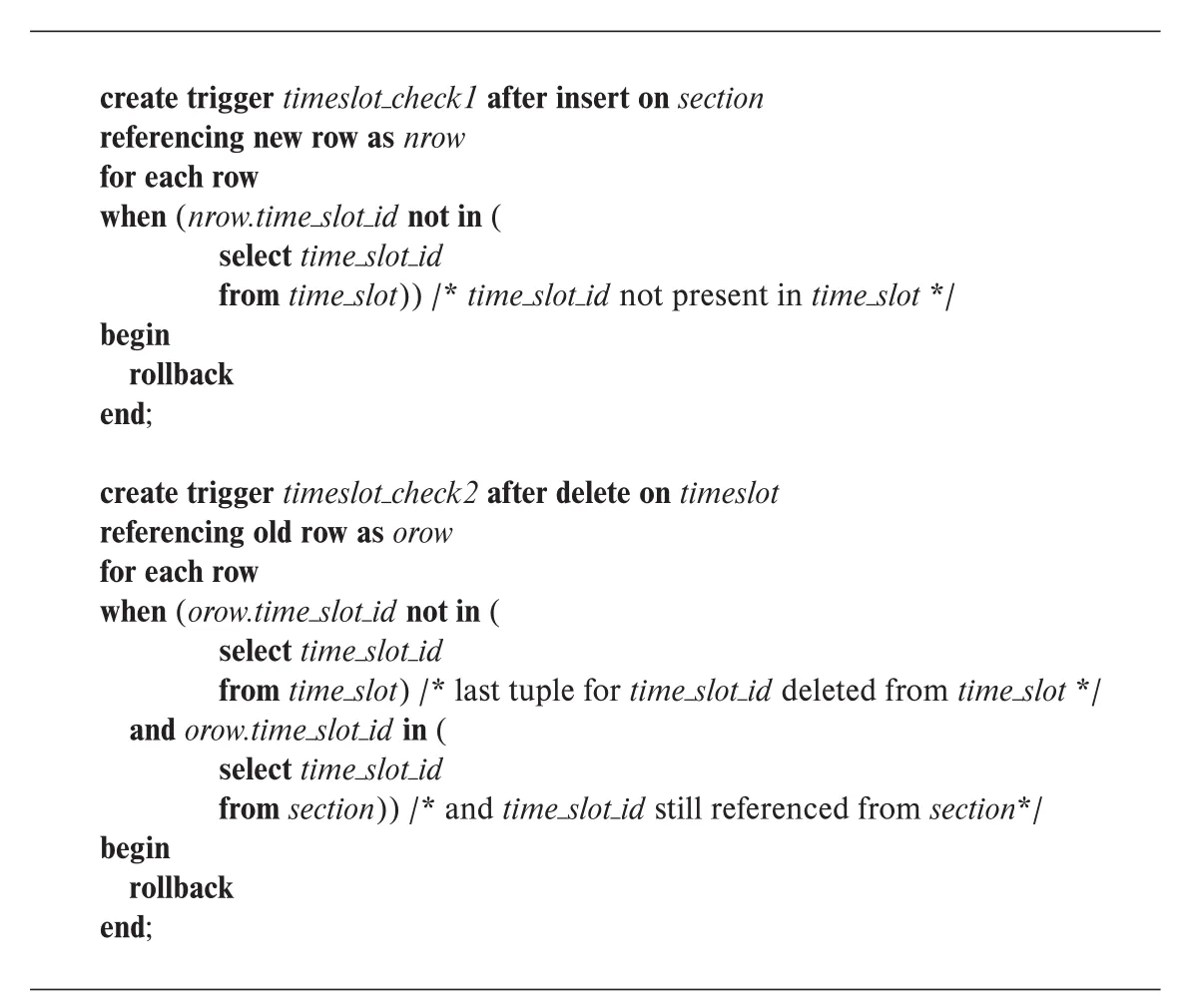 Figure 5.9 · PDF p. 236 · trigger로 referential integrity를 유지하는 예
Trigger syntax에서 중요한 요소는 다음과 같다.
| Syntax 요소 | 의미 |
|---|---|
after insert on section | section insert 이후 trigger check |
referencing new row as nrow | inserted row를 nrow transition variable로 참조 |
referencing old row as orow | deleted/updated 이전 row를 orow transition variable로 참조 |
for each row | multi-row statement가 영향을 준 각 row마다 trigger 실행 |
when (...) | action 실행 조건 |
begin atomic ... end | trigger action의 compound statement |
Update trigger는 특정 attribute가 update될 때만 실행되도록 지정할 수 있다. 예를 들어 takes.grade가 update될 때만 trigger를 실행하려면 after update of grade on takes 같은 식으로 쓴다.
Figure 5.10은 takes.grade가 null 또는 'F'에서 성공 이수 grade로 바뀔 때 student.tot_cred를 증가시키는 trigger이다. new row는 새 grade를, old row는 이전 grade를 확인하는 데 쓰인다.
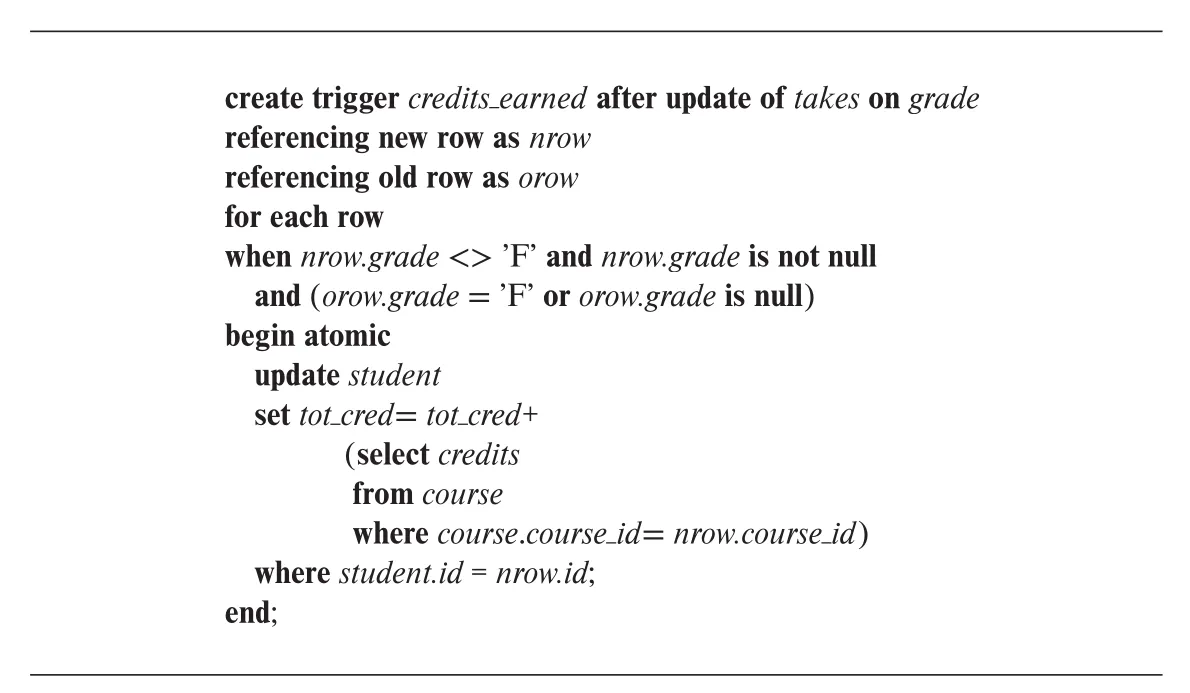 Figure 5.10 · PDF p. 238 ·
 grade update에 따라 tot_cred를 유지하는 trigger
이 예시는 단순화된 형태다. 현실적으로는 성공 grade가 다시 failing grade로 correction되는 경우, 이미 성공 grade로 insert되는 경우까지 처리해야 한다. Trigger는 작은 누락이 data inconsistency로 이어지기 쉽다.
Trigger는 after뿐 아니라 before event에도 실행될 수 있다. before trigger는 invalid action을 reject하거나, action이 constraint violation을 일으키기 전에 값을 보정하는 데 쓸 수 있다. Figure 5.11은 blank grade를 null로 바꾸는 예이다.
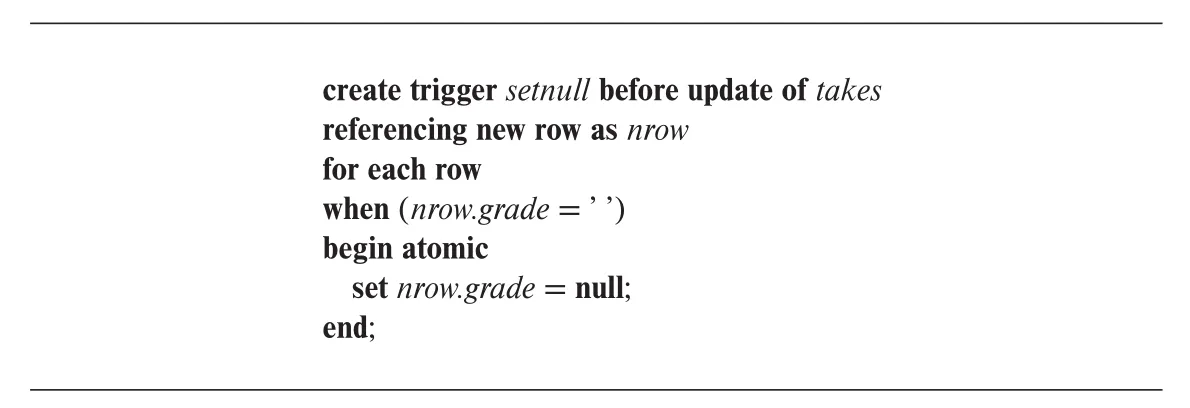 Figure 5.11 · PDF p. 238 ·
 before trigger에서 inserted/updated 값을 set으로 보정하는 예
Trigger는 row-level로 실행할 수도 있고 statement-level로 실행할 수도 있다.
| Trigger granularity | 설명 |
|---|---|
for each row | affected row마다 action 실행 |
for each statement | 하나의 SQL statement 전체에 대해 action 한 번 실행 |
Statement-level trigger에서는 referencing old table as ..., referencing new table as ...로 affected rows 전체를 담은 transition table을 참조할 수 있다. Transition table은 after trigger에서 사용할 수 있으며, 여러 row를 한 번의 SQL statement로 처리할 때 유용하다.
Figure 5.12는 inventory level이 minimum level 위에서 아래로 떨어지는 순간에만 reorder를 생성하는 trigger이다. 핵심은 새 값만 검사하지 않고 old value와 new value를 함께 본다는 점이다. 이미 minimum 아래에 있던 item에 대해 update가 반복될 때마다 중복 주문을 내지 않기 위해서다.
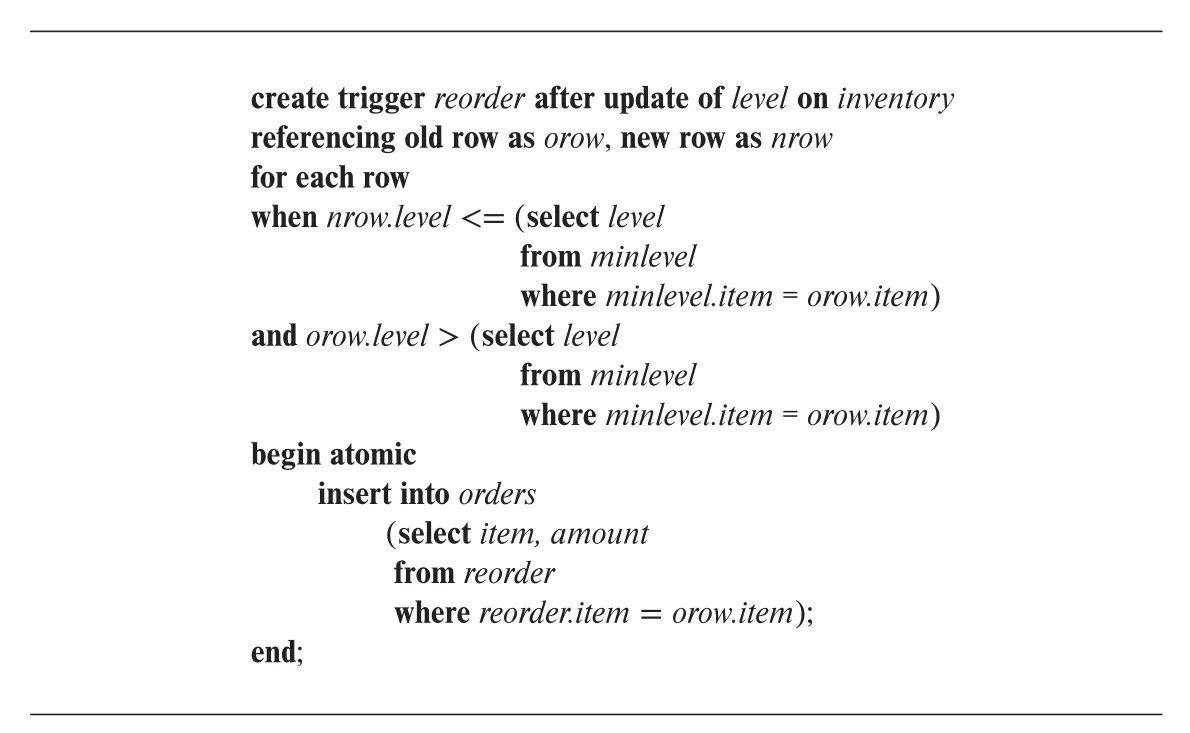 Figure 5.12 · PDF p. 240 · inventory level crossing을 감지해 reorder tuple을 추가하는 trigger
Trigger는 기본적으로 생성 시 enabled 상태이며, 필요하면 disable/enable하거나 drop할 수 있다.
alter trigger trigger_name disable;
drop trigger trigger_name;
실제 DBMS들은 trigger syntax가 많이 다르다. Oracle은 transition variable 앞에 :를 요구하고, SQL Server는 inserted/deleted pseudo-table을 사용하며, PostgreSQL은 trigger body 대신 procedure를 호출해 new/old row를 접근한다. 이 장에서는 표준 syntax보다 event-condition-action model을 이해하는 것이 중요하다.
5.3.3 When Not to Use Triggers
Trigger는 강력하지만 남용하면 database behavior가 숨겨지고 추론하기 어려워진다. Foreign key의 on delete cascade처럼 DBMS가 명시적으로 제공하는 기능이 있으면 trigger로 재구현하지 않는 편이 좋다. Trigger로 구현하면 더 많은 code가 필요하고, 사용자가 database constraint를 이해하기도 어렵다.
Materialized view maintenance도 trigger로 구현할 수 있지만, DBMS가 materialized view를 자동 maintenance하는 기능을 제공한다면 그 기능을 쓰는 편이 낫다. 예를 들어 section별 등록 student 수를 유지하는 section_registration relation을 trigger로 갱신할 수는 있지만, insert/delete/update 각각에 대해 누락 없이 trigger를 작성해야 한다.
Replication도 과거에는 trigger로 change/delta relation을 유지해 구현했지만, 현대 DBMS는 built-in replication facility를 제공하는 경우가 많다. Backup copy load나 replica replay 중 trigger가 다시 실행되면 이미 수행된 side effect가 중복될 수 있다. 그래서 trigger를 disable하거나, not for replication 같은 system-specific 옵션을 쓰거나, trigger body가 replica replay 여부를 확인해야 할 수 있다.
Trigger를 조심해야 하는 가장 큰 이유는 unintended execution이다.
| 위험 | 설명 |
|---|---|
| runtime trigger error | trigger error가 trigger를 유발한 원래 statement 실패로 이어짐 |
| trigger chain | 한 trigger action이 다른 trigger를 유발할 수 있음 |
| infinite triggering | insert trigger가 같은 relation에 insert하면 무한 chain 가능 |
| hidden side effect | application query/update만 봐서는 실제 변경을 알기 어려움 |
일부 DBMS는 trigger chain 길이를 제한하거나, trigger가 자신을 유발한 relation을 다시 참조/수정하려 하면 error로 처리한다. Trigger는 유용하지만 대안이 있으면 stored procedure, declarative constraint, materialized view, replication facility 같은 더 명시적인 mechanism을 우선 고려하는 것이 좋다.
5.4 Recursive Queries
recursive query는 결과 relation을 자기 자신을 참조해 정의하는 query이다. 대표적인 용도는 transitive closure 계산이다. 예를 들어 prereq(course_id, prereq_id) relation에서 어떤 course의 direct prerequisite뿐 아니라 indirect prerequisite까지 모두 찾고 싶을 때 recursion이 필요하다.
Figure 5.13의 prereq relation을 보면 CS-347의 direct prerequisite은 CS-319이고, CS-319의 prerequisites는 CS-101, CS-315이다. 또 CS-315의 prerequisite은 CS-190, CS-190의 prerequisite은 CS-101이다. 따라서 CS-347의 전체 prerequisites는 direct/indirect를 합쳐 CS-319, CS-315, CS-101, CS-190이다.
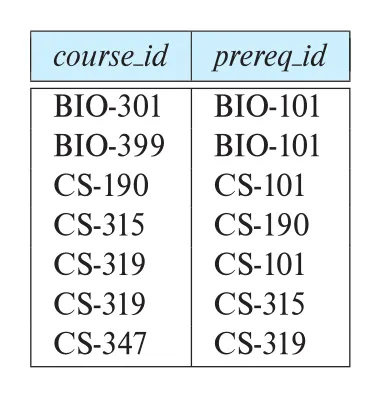 Figure 5.13 · PDF p. 242 · recursive query 설명에 사용되는
 prereq relation instance
transitive closure는 relation prereq에 대해 (cid, pre) 쌍을 모두 포함하는 relation이다. 여기서 pre는 cid의 direct prerequisite이거나, prerequisite의 prerequisite처럼 여러 단계 떨어진 indirect prerequisite이다. 조직 계층, 부품-subpart 구조, flight reachability 같은 계층/그래프 문제도 같은 패턴을 갖는다.
5.4.1 Transitive Closure Using Iteration
Recursive query 없이도 iteration으로 transitive closure를 계산할 수 있다. 아이디어는 frontier를 점점 확장하는 것이다.
| Temporary table | 역할 |
|---|---|
c_prereq | 지금까지 찾은 전체 prerequisite 집합 |
new_c_prereq | 직전 iteration에서 새로 발견한 prerequisite 집합 |
temp | 다음 iteration 후보를 잠시 저장 |
Figure 5.14의 findAllPrereqs(cid) function은 먼저 cid의 direct prerequisite을 new_c_prereq에 넣는다. 그 뒤 반복적으로 new_c_prereq를 c_prereq에 추가하고, 방금 추가된 course들의 prerequisites를 찾아 아직 발견되지 않은 것만 temp에 넣는다. 그런 다음 new_c_prereq를 temp로 교체한다. 더 이상 새 prerequisite이 없으면 반복을 끝낸다.
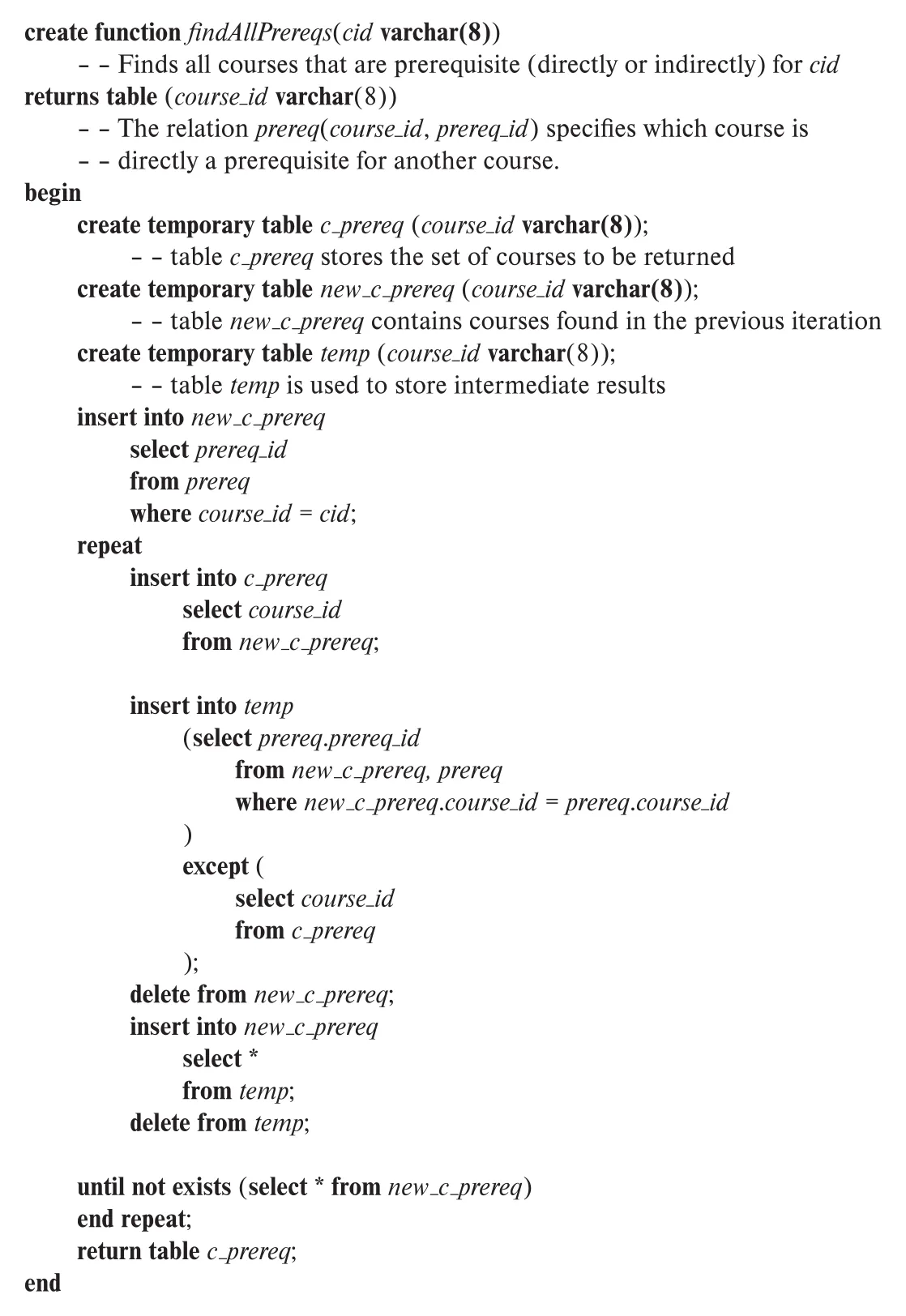 Figure 5.14 · PDF p. 244 · iterative temporary table 방식으로 모든 prerequisite을 찾는 function
Figure 5.15는 CS-347에 대해 iteration이 어떻게 진행되는지 보여 준다. 처음에는 CS-319만 찾고, 다음 iteration에서 CS-315, CS-101을 추가하며, 그 다음 CS-190을 추가한다. 이후 새 tuple이 없으므로 fixed point에 도달한다.
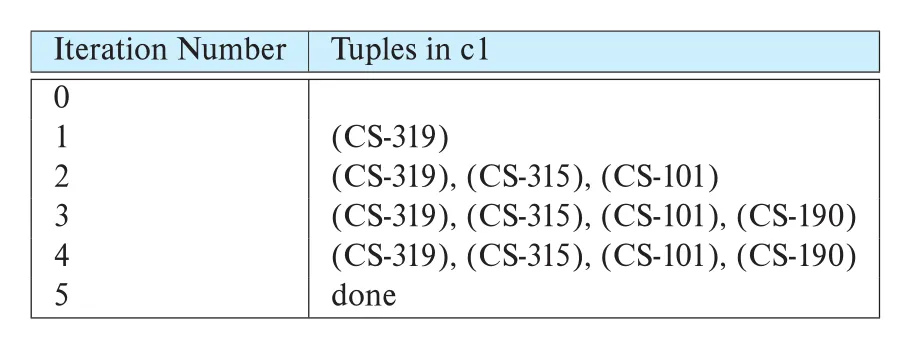 Figure 5.15 · PDF p. 245 ·
 CS-347 prerequisites가 iteration마다 확장되는 모습
이 iterative function에서 except가 중요한 이유는 cycle을 막기 위해서다. a → b, b → c, c → a 같은 cycle이 있으면 이미 발견한 node를 다시 frontier에 넣지 않아야 종료된다. Course prerequisite에서는 cycle이 비현실적이지만, flight reachability나 graph reachability에서는 cycle이 흔하다.
Iteration 흐름은 다음처럼 요약할 수 있다.
new_c_prereq = direct prerequisites(cid)
c_prereq = empty

repeat
  c_prereq += new_c_prereq
  temp = prerequisites(new_c_prereq) - c_prereq
  new_c_prereq = temp
until new_c_prereq is empty
5.4.2 Recursion in SQL
Iteration으로 transitive closure를 작성하는 것은 가능하지만 번거롭다. SQL 표준은 with recursive로 recursive temporary view를 정의하는 방식을 제공한다.
Figure 5.16은 모든 (course_id, prereq_id) direct/indirect prerequisite pair를 찾는 recursive query이다.
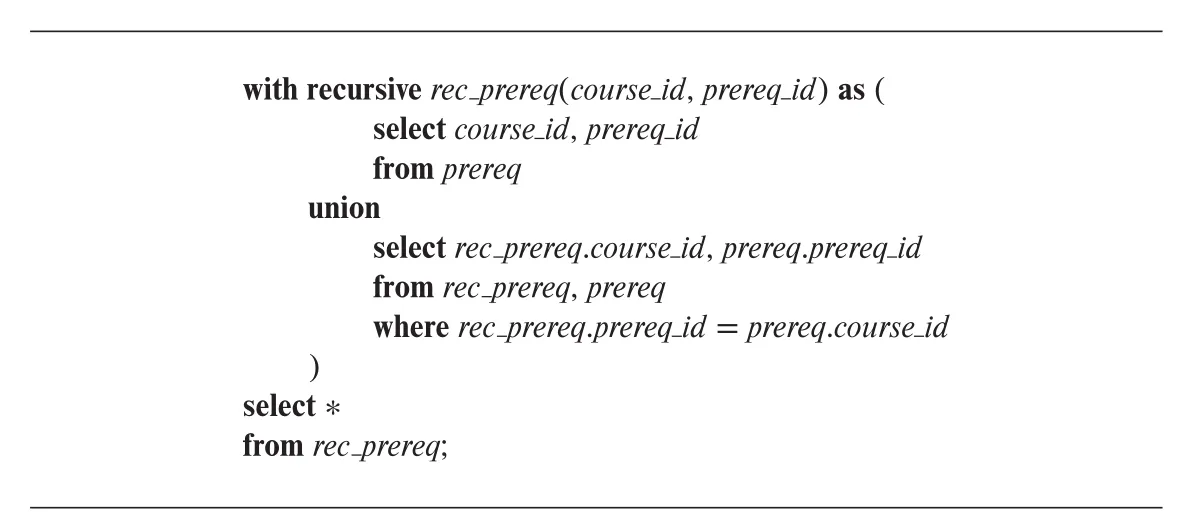 Figure 5.16 · PDF p. 246 ·
 with recursive로 prerequisite transitive closure를 표현한 SQL query
Recursive view는 반드시 두 부분의 union으로 정의된다.
| 부분 | 역할 |
|---|---|
| base query | recursion 없이 초기 tuple을 만든다. 예: direct prerequisite |
| recursive query | 현재 recursive view 내용을 이용해 다음 단계 tuple을 만든다 |
Prerequisite 예시에서는 base query가 prereq의 direct edges를 넣고, recursive query가 rec_prereq.prereq_id = prereq.course_id로 join해 한 단계 더 먼 prerequisite을 추가한다.
Recursive view의 의미는 fixed point로 이해한다.
1. recursive view를 empty로 시작한다.
2. base query 결과를 view에 추가한다.
3. 현재 view를 사용해 recursive query를 계산한다.
4. 새 tuple을 view에 추가한다.
5. 더 이상 새 tuple이 없을 때까지 3-4를 반복한다.
더 이상 view relation이 변하지 않는 상태를 fixed point라고 한다. Recursive query 결과는 이 fixed-point instance이다.
특정 course, 예를 들어 CS-347의 prerequisites만 원하면 outer query에 where rec_prereq.course_id = 'CS-347'를 붙일 수 있다. DBMS가 반드시 모든 course의 transitive closure를 완전히 계산한 뒤 filtering해야 하는 것은 아니다. Optimizer는 findAllPrereqs 같은 더 효율적인 strategy를 사용할 수 있다.
SQL recursive query에는 monotonicity restriction이 있다. Recursive query는 recursive view에 tuple이 더 많아질수록 결과가 줄어들면 안 된다. 즉 view instance V1이 V2의 superset이면 recursive query 결과도 적어도 줄어들지 않아야 한다. 이 조건이 있어야 iterative fixed-point 의미가 안정적으로 정의된다.
따라서 recursive part에서는 다음 construct들이 제한된다.
| 제한 construct | 이유 |
|---|---|
| recursive view에 대한 aggregation | tuple 추가가 aggregate result를 비단조적으로 바꿀 수 있음 |
recursive view를 사용하는 not exists | view에 tuple이 추가되면 결과가 사라질 수 있음 |
recursive view가 오른쪽에 오는 except | view에 tuple이 추가되면 set difference 결과가 줄어듦 |
예를 들어 r except v에서 recursive view v에 tuple이 추가되면 결과는 작아질 수 있다. 이는 nonmonotonic하므로 recursive view의 fixed-point 의미를 어렵게 만든다.
SQL은 create recursive view로 permanent recursive view도 만들 수 있다. 일부 system은 다른 syntax를 사용하며, Oracle의 legacy start with / connect by prior hierarchical query syntax가 대표적이다. 실제 system별 문법은 다르지만, 핵심은 “base case + recursive step + fixed point”이다.
5.5 Advanced Aggregation Features
Chapter 3의 group by와 aggregate function만으로도 많은 aggregation task를 처리할 수 있다. 그러나 ranking, moving average, cross-tab, 여러 grouping level의 subtotal처럼 분석 query에서 자주 나오는 작업은 basic aggregation만으로 표현하기 어렵거나 비효율적이다. SQL은 이를 위해 ranking, windowing, pivot, rollup/cube 같은 advanced aggregation feature를 제공한다.
5.5.1 Ranking
ranking은 tuple이 어떤 ordering 안에서 몇 번째 위치에 있는지 계산한다. 예를 들어 student_grades(ID, GPA) view가 있을 때 GPA 기준으로 학생 순위를 매길 수 있다.
select ID, rank() over (order by GPA desc) as s_rank
from student_grades;
rank() over (...)의 over clause는 ranking을 계산할 ordering/partition을 지정한다. 위 query는 GPA가 높은 학생에게 rank 1을 준다. 단, output tuple의 표시 순서는 별도 order by가 없으면 보장되지 않으므로, rank 순으로 보고 싶으면 outer order by s_rank가 필요하다.
rank()는 ties를 같은 rank로 처리하고 gap을 남긴다. 예를 들어 GPA 최고점 학생이 2명이면 둘 다 rank 1이고, 다음 학생은 rank 3이다. dense_rank()는 gap을 남기지 않아 다음 학생을 rank 2로 둔다.
| Function | ties 처리 | 예 |
|---|---|---|
rank() | 같은 값은 같은 rank, 다음 rank에 gap 있음 | 1, 1, 3, 4 |
dense_rank() | 같은 값은 같은 rank, gap 없음 | 1, 1, 2, 3 |
percent_rank() | (rank - 1) / (n - 1) | partition 내 상대 위치 |
cume_dist() | 현재 값 이하/이전 ordering 값까지의 cumulative fraction | 누적 분포 |
row_number() | sort order의 고유 번호 | ties도 서로 다른 번호, tie order는 nondeterministic 가능 |
ntile(n) | ordered tuples를 n개 bucket으로 나눔 | quartile, percentile histogram |
null 값은 기본적으로 ranking에서 highest values로 취급될 수 있다. GPA가 null인 학생이 highest로 나오는 것은 보통 의도와 다르므로, nulls last 같은 clause로 위치를 지정해야 한다.
select ID, rank() over (order by GPA desc nulls last) as s_rank
from student_grades;
Ranking은 partition별로도 계산할 수 있다. Department별 학생 GPA rank를 구하려면 partition by dept_name을 사용한다.
select ID, dept_name,
       rank() over (partition by dept_name order by GPA desc) as dept_rank
from dept_grades
order by dept_name, dept_rank;
group by와 ranking이 함께 쓰이면 group by가 먼저 적용되고, 그 group result 위에서 partition/ranking이 수행된다. 따라서 aggregate value를 기준으로 rank를 매기는 것도 가능하다.
Top-n query는 ranking query를 nested query로 감싸 rank가 일정 이하인 tuple만 고르면 된다.
select *
from (select ID, rank() over (order by GPA desc) as s_rank
      from student_grades)
where s_rank <= 5;
이 방식은 ties를 보존한다. 5등에 동점자가 있으면 결과 tuple 수가 5보다 많을 수 있다. 반면 limit 5, fetch first 5 rows only, select top 5 같은 DBMS별 top-n syntax는 정확히 5 tuple을 반환하며, 마지막 position의 ties는 임의로 잘릴 수 있다. 또한 partition별 top-n은 보통 ranking을 사용해야 자연스럽다.
Basic SQL로 rank를 흉내 내려면 “나보다 GPA가 높은 학생 수 + 1”을 세는 correlated subquery를 쓸 수 있다. 그러나 각 tuple마다 relation을 다시 scan하므로 전체적으로 quadratic time이 될 수 있다. DBMS의 ranking implementation은 sort 기반으로 훨씬 효율적으로 계산할 수 있다.
5.5.2 Windowing
windowing은 각 tuple 주변의 일정 range 또는 row set에 대해 aggregate를 계산한다. group by는 tuple을 서로 겹치지 않는 group으로 나누지만, window는 tuple마다 다른, 때로는 overlapping되는 window를 만들 수 있다. Moving average나 trend analysis가 대표적이다.
예를 들어 tot_credits(year, num_credits) view가 있고, year별 총 수강 credit의 3년 moving average를 구하려면 다음처럼 쓴다.
select year,
       avg(num_credits) over (order by year rows 3 preceding) as avg_total_credits
from tot_credits;
rows 3 preceding은 current row와 그 앞의 최대 3 tuple을 window로 삼는다. 첫 year처럼 앞 tuple이 부족하면 존재하는 tuple만 사용한다.
전체 prior years를 모두 보고 싶으면 unbounded preceding을 사용한다.
select year,
       avg(num_credits) over (order by year rows unbounded preceding)
       as avg_total_credits
from tot_credits;
Window는 앞뒤 범위를 함께 지정할 수도 있다.
select year,
       avg(num_credits) over
         (order by year rows between 3 preceding and 2 following)
       as avg_total_credits
from tot_credits;
Department별로 독립적인 moving average를 구하려면 partition by를 함께 사용한다.
select dept_name, year,
       avg(num_credits) over
         (partition by dept_name
          order by year rows between 3 preceding and current row)
       as avg_total_credits
from tot_credits_dept;rows는 tuple 개수 기준 window이고, range는 ordering value 기준 window이다. 예를 들어 rows current row는 정확히 current tuple 하나지만, range current row는 sort attribute 값이 current tuple과 같은 모든 tuple을 포함할 수 있다. 다만 range 지원은 DBMS마다 제한이 있다.
5.5.3 Pivoting
pivoting은 relation의 어떤 attribute value들을 result의 attribute names로 바꾸는 cross-tabulation이다. Figure 5.17의 sales(item_name, color, clothes_size, quantity) relation은 item, color, size 조합별 판매량을 long format으로 저장한다.
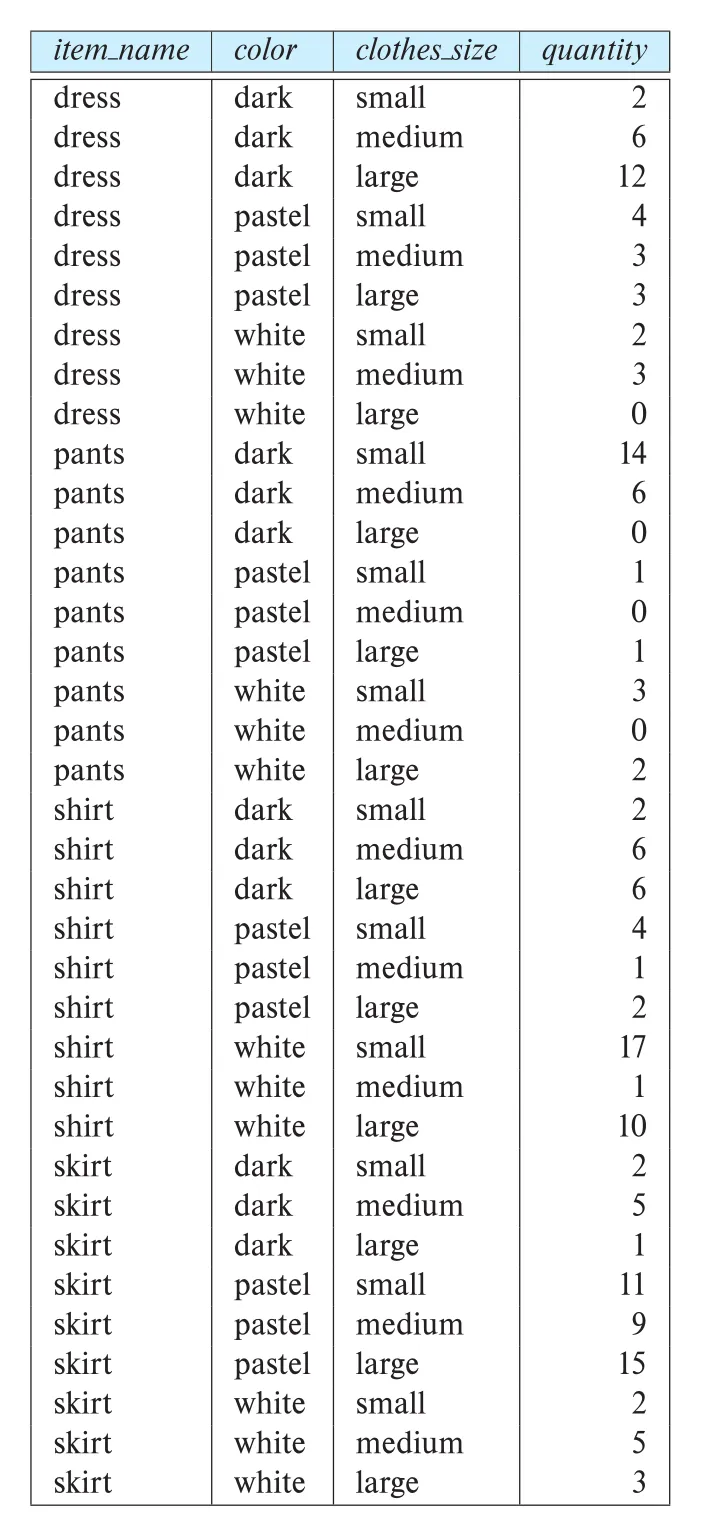 Figure 5.17 · PDF p. 254 · pivot 예시에 사용되는
 sales relation
Figure 5.18은 color 값인 dark, pastel, white가 column name으로 바뀐 pivot-table이다. 이처럼 attribute value를 column으로 세우는 결과를 cross-tab, cross-tabulation, pivot-table이라고 부른다.
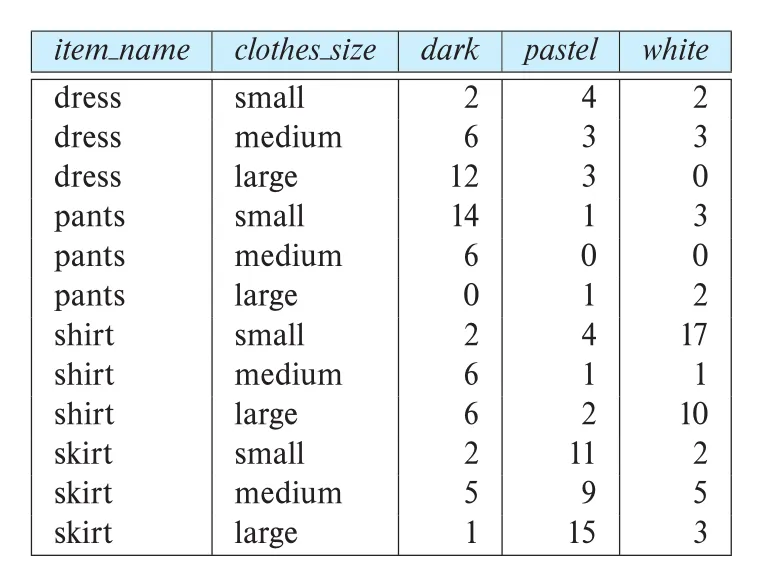 Figure 5.18 · PDF p. 255 ·
 color 값을 column으로 바꾼 pivot 결과
SQL implementation 중 일부는 pivot clause를 지원한다.
select *
from sales
pivot (
  sum(quantity)
  for color in ('dark', 'pastel', 'white')
);
pivot clause는 세 가지를 지정한다.
| 요소 | 예 | 의미 |
|---|---|---|
| pivot attribute | color | value가 column name이 될 attribute |
| pivot values | 'dark', 'pastel', 'white' | 결과 column으로 만들 value 목록 |
| aggregate | sum(quantity) | 여러 tuple이 같은 cell에 들어올 때 결합 방법 |
Pivot은 basic SQL의 case와 aggregate를 조합해 표현할 수도 있지만, 전용 construct가 query를 훨씬 짧고 읽기 쉽게 만든다. 다만 pivot syntax는 DBMS별 차이가 크다.
5.5.4 Rollup and Cube
rollup과 cube는 여러 group by query를 한 번에 실행해 subtotal과 grand total을 함께 얻는 기능이다. Data analyst는 보통 (item_name, color), (item_name), 전체 total처럼 여러 aggregation level을 동시에 보고 싶어 한다.
select item_name, color, sum(quantity)
from sales
group by rollup(item_name, color);
group by rollup(item_name, color)는 다음 grouping을 생성한다.
(item_name, color)
(item_name)
()
여기서 ()는 empty grouping, 즉 grand total이다. Figure 5.19는 rollup 결과를 보여 준다. (item_name) level subtotal에서는 color가 null로 채워지고, grand total에서는 item_name과 color가 모두 null로 채워진다.
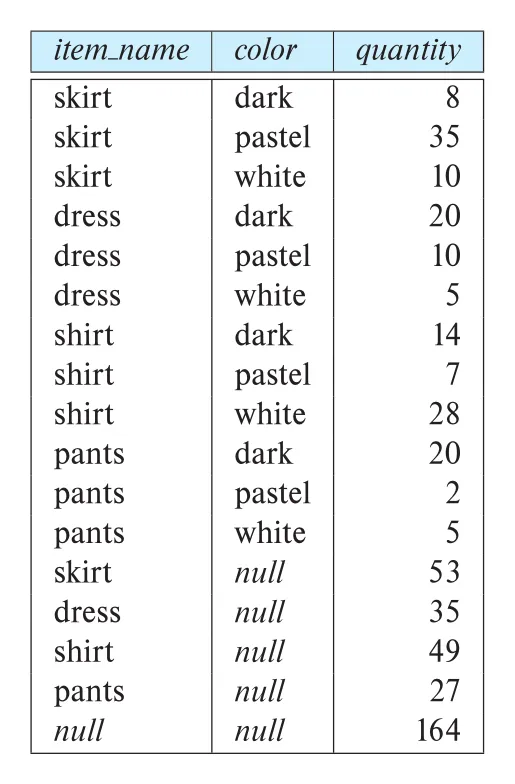 Figure 5.19 · PDF p. 258 ·
 group by rollup(item_name, color) 결과
cube는 listed attributes의 모든 subset grouping을 생성한다.
select item_name, color, clothes_size, sum(quantity)
from sales
group by cube(item_name, color, clothes_size);
이는 다음 grouping들을 만든다.
(item_name, color, clothes_size)
(item_name, color)
(item_name, clothes_size)
(color, clothes_size)
(item_name)
(color)
(clothes_size)
()rollup은 attribute list의 prefix grouping을 만든다. cube는 모든 subset grouping을 만든다. 여러 rollup/cube를 하나의 group by에 함께 쓰면 각 grouping set의 Cartesian product처럼 grouping 조합이 만들어진다.
rollup과 cube가 생성하는 grouping을 더 세밀하게 제어하려면 grouping sets를 사용한다.
select item_name, color, clothes_size, sum(quantity)
from sales
group by grouping sets ((color, clothes_size),
                        (clothes_size, item_name));
Rollup/cube 결과에서 생긴 null은 실제 stored null과 의미가 다르다. Rollup이 만든 null은 “이 dimension은 aggregate level에서 생략되었다”는 뜻이다. 이를 구분하려면 grouping() function을 사용한다.
select (case when grouping(item_name) = 1 then 'all'
             else item_name end) as item_name,
       (case when grouping(color) = 1 then 'all'
             else color end) as color,
       sum(quantity) as quantity
from sales
group by rollup(item_name, color);
coalesce(item_name, 'all')로 대체하면 실제 database에 저장된 normal null까지 all로 바꿔 버리므로 틀릴 수 있다. Rollup/cube가 만든 null을 처리할 때는 grouping()을 써야 한다.
5.6 Summary
Chapter 5는 SQL이 application과 만나는 경계와 분석 기능을 다룬다. Host language에서는 JDBC, ODBC, Python Database API, embedded SQL을 통해 database에 연결하고 statement를 실행하며 result를 fetch한다. Database 내부에서는 stored function/procedure, trigger, external language routine이 business logic과 automatic action을 담당할 수 있다.
Recursive query는 transitive closure 같은 graph/hierarchy 문제를 SQL 안에서 표현하게 해 준다. Advanced aggregation은 ranking, windowing, pivot, rollup/cube를 통해 분석 query를 간결하고 효율적으로 표현한다.
이 장의 공통 trade-off는 “표현력과 자동화가 늘수록 숨겨진 비용과 side effect도 늘어난다”이다. Prepared statement는 안전한 API 사용의 핵심이고, trigger는 강력하지만 추론을 어렵게 만들 수 있으며, external routine은 빠르고 표현력이 크지만 sandbox/security 문제가 있다.
연결 관계
Chapter 3-4의 SQL query, transaction, view, constraint, authorization이 Chapter 5의 기반이다. Prepared statement와 JDBC/ODBC transaction control은 Chapter 4의 commit/rollback을 application API 수준에서 사용하는 것이다.
Stored procedure/function과 trigger는 Chapter 4의 view update, assertion, complex constraint 문제와 연결된다. Chapter 4에서 “복잡한 constraint는 trigger로 구현할 수 있다”고 했고, Chapter 5가 그 trigger mechanism을 설명한다.
Recursive query는 relational model이 단순 table query에 머무르지 않고 graph/hierarchy computation도 표현할 수 있음을 보여 준다. 이는 이후 Datalog 같은 logic-based query language와 연결된다.
Advanced aggregation은 Chapter 11의 data warehousing/OLAP로 이어진다. rollup, cube, pivot, window function은 operational query보다 analytical query에서 특히 중요하다.
External language routine, trigger, stored procedure는 authorization/security와도 연결된다. DBMS 내부에서 실행되는 code가 어떤 privilege로 실행되는지, sandbox가 있는지, side effect가 transaction과 어떻게 맞물리는지가 설계 포인트다.
오해하기 쉬운 내용
- User input을 SQL string concatenation으로 붙이면
SQL injection위험이 생긴다. User-entered value는 prepared statement parameter로 전달해야 한다. - JDBC/ODBC는 SQL 자체가 아니라 host language에서 SQL을 실행하기 위한 API이다. SQL query semantics와 API resource/exception/transaction 관리는 별도 문제다.
embedded database와embedded SQL은 다르다. 전자는 application 안에 DB engine을 포함하는 방식이고, 후자는 host language code 안에 SQL syntax를 넣는 방식이다.- Stored procedure에 business logic을 넣으면 공유와 중앙 관리가 쉬워지지만, DBMS별 문법 차이와 배포/테스트 복잡도도 생긴다.
- User-defined function을 query에서 tuple마다 호출하면 성능 문제가 생길 수 있다.
- Trigger는 application이 명시적으로 호출하지 않아도 실행된다. 그래서 hidden side effect와 trigger chain을 항상 고려해야 한다.
- Trigger로 외부 세계 action을 직접 처리하려 하지 말고, relation에 작업 요청을 기록하고 별도 process가 처리하는 구조가 더 안전한 경우가 많다.
- Recursive query는 단순히 자기 자신을 아무렇게나 참조하면 되는 것이 아니다. Base query와 recursive query가 있어야 하고, monotonicity restriction을 만족해야 한다.
rank()와dense_rank()는 tie 이후 rank gap이 다르다.top nsyntax는 ties를 임의로 잘라낼 수 있지만,rank <= n방식은 마지막 rank tie를 보존할 수 있다.group by와 window function은 다르다.group by는 row를 줄이고, window function은 원래 row마다 aggregate/rank 값을 붙이는 식으로 동작한다.- Rollup/cube가 만든
null은 실제 storednull과 의미가 다르다. 이를 구분하려면grouping()을 사용해야 한다.
면접 질문
- SQL을 general-purpose programming language와 결합해야 하는 이유를 data model mismatch 관점에서 설명해 보라.
dynamic SQL과embedded SQL의 차이는 무엇이며, 각각의 장단점은 무엇인가?- JDBC에서
Connection,Statement,PreparedStatement,ResultSet의 역할을 설명해 보라. prepared statement가SQL injection을 막는 원리를 string concatenation 방식과 비교해 설명해 보라.- JDBC metadata API가 필요한 상황을 예로 들어 보라.
- ODBC에서
SQLBindCol과SQLFetch가 함께 어떤 일을 하는가? - Stored function과 stored procedure의 차이를
return value,in/out parameter, side effect 관점에서 설명해 보라. - Table function이 parameterized view처럼 볼 수 있는 이유는 무엇인가?
- PSM의
begin atomic, loop, handler가 database routine에서 어떤 역할을 하는가? - External language routine을 DBMS process 안에서 실행할 때 성능과 보안 trade-off는 무엇인가?
- Trigger의 event-condition-action model을 설명하고,
before trigger와after trigger의 차이를 말해 보라. - Row-level trigger와 statement-level trigger의 차이, transition variable/table의 역할을 설명해 보라.
- Trigger를 쓰지 않는 편이 나은 상황을 materialized view maintenance나 cascade constraint 예시로 설명해 보라.
- Transitive closure를 iterative temporary table 방식으로 계산할 때 cycle을 어떻게 막는가?
with recursivequery의 base query, recursive query, fixed point 의미를 설명해 보라.- Recursive SQL에서 monotonicity restriction이 필요한 이유는 무엇인가?
rank(),dense_rank(),row_number(),ntile(n)의 차이를 설명해 보라.- Window function이
group byaggregation과 다른 점은 무엇인가? - Pivot/cross-tabulation은 어떤 형태의 relation 변환인가?
rollup,cube,grouping sets,grouping()의 역할을 각각 설명해 보라.